Armored SUV Real Protection Test Explained
Armored SUV Real Protection Test Explained in 2025
Many people wonder if armored SUVs truly live up to their "bulletproof" claims. In reality, these vehicles undergo rigorous real-world testing to certify their protection levels. Companies like INKAS, Alpine Armoring, and Armormax conduct ballistic and blast tests to ensure safety against high-threat scenarios.
Here's a breakdown of common real protection tests for armored SUVs in 2025, based on industry standards (CEN B6/B7, VPAM, NIJ) and actual demonstrations from leading manufacturers.
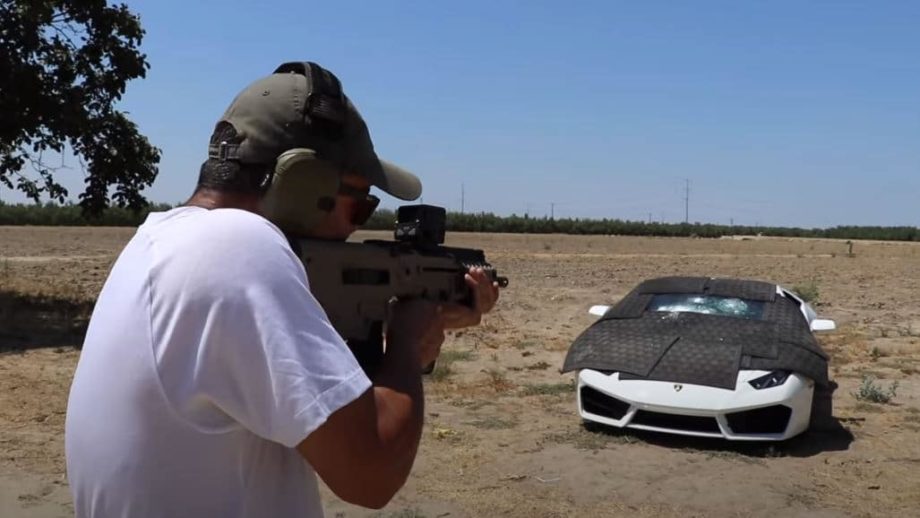
1. Ballistic Testing: Withstanding AK-47 and Rifle Fire
The most common test involves firing high-powered rifles like the AK-47 (7.62x39mm) or 7.62x51mm NATO rounds at the vehicle from various angles. B6-level armor typically stops multiple AK-47 rounds without penetration, while higher levels handle armor-piercing ammo.

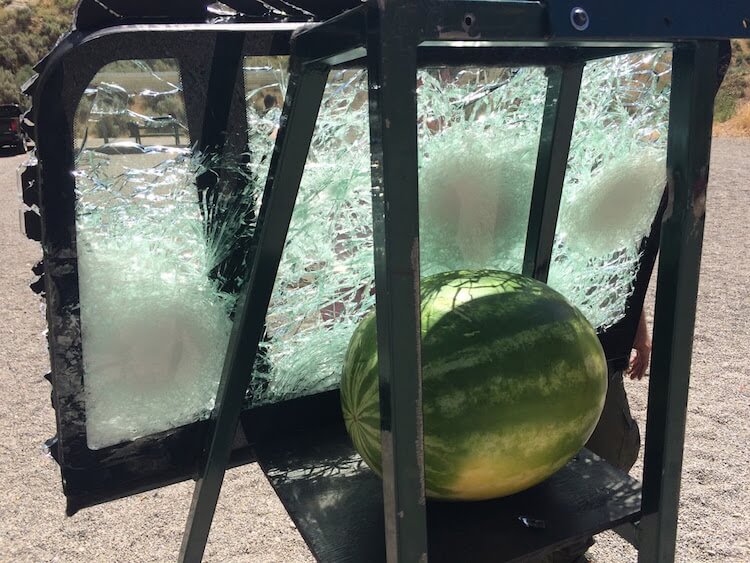

2. Bulletproof Glass Testing: Multi-Layer Resistance
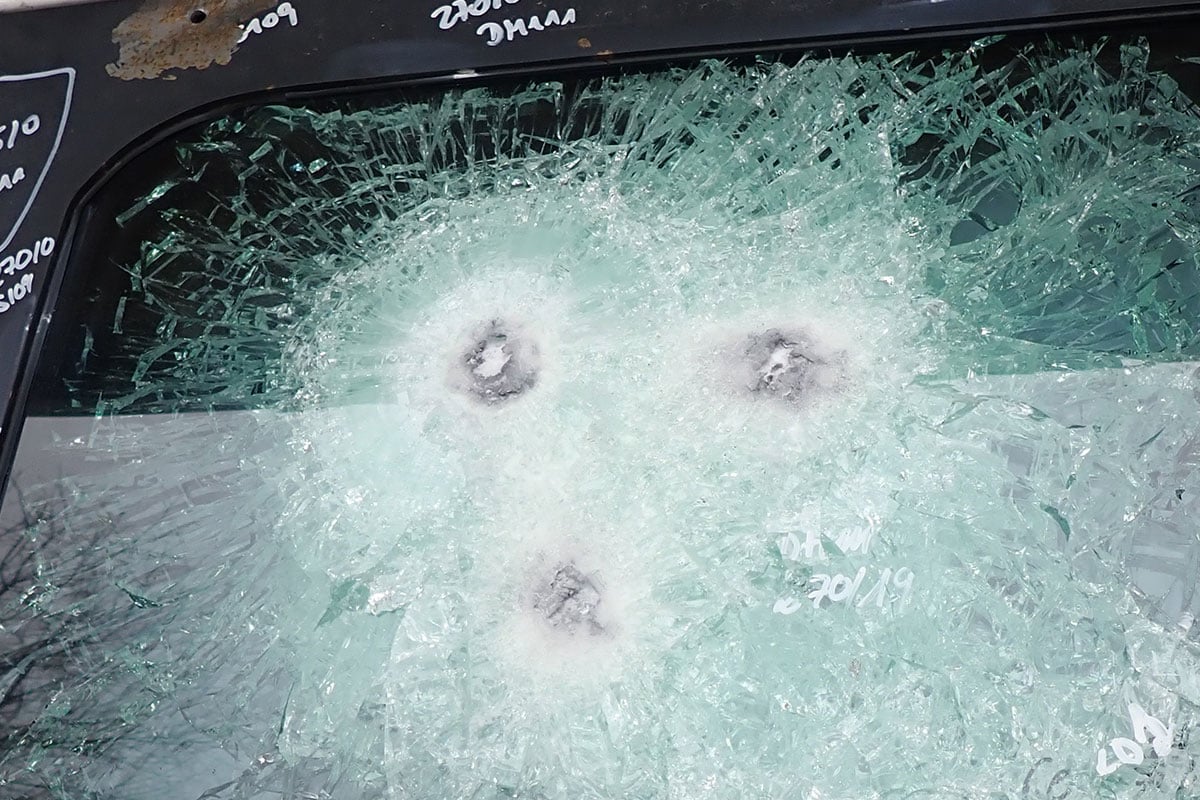
Transparent armor (windows) is tested with multiple shots in a tight pattern. No spall (fragments) should enter the cabin, and the glass must remain intact to maintain visibility.

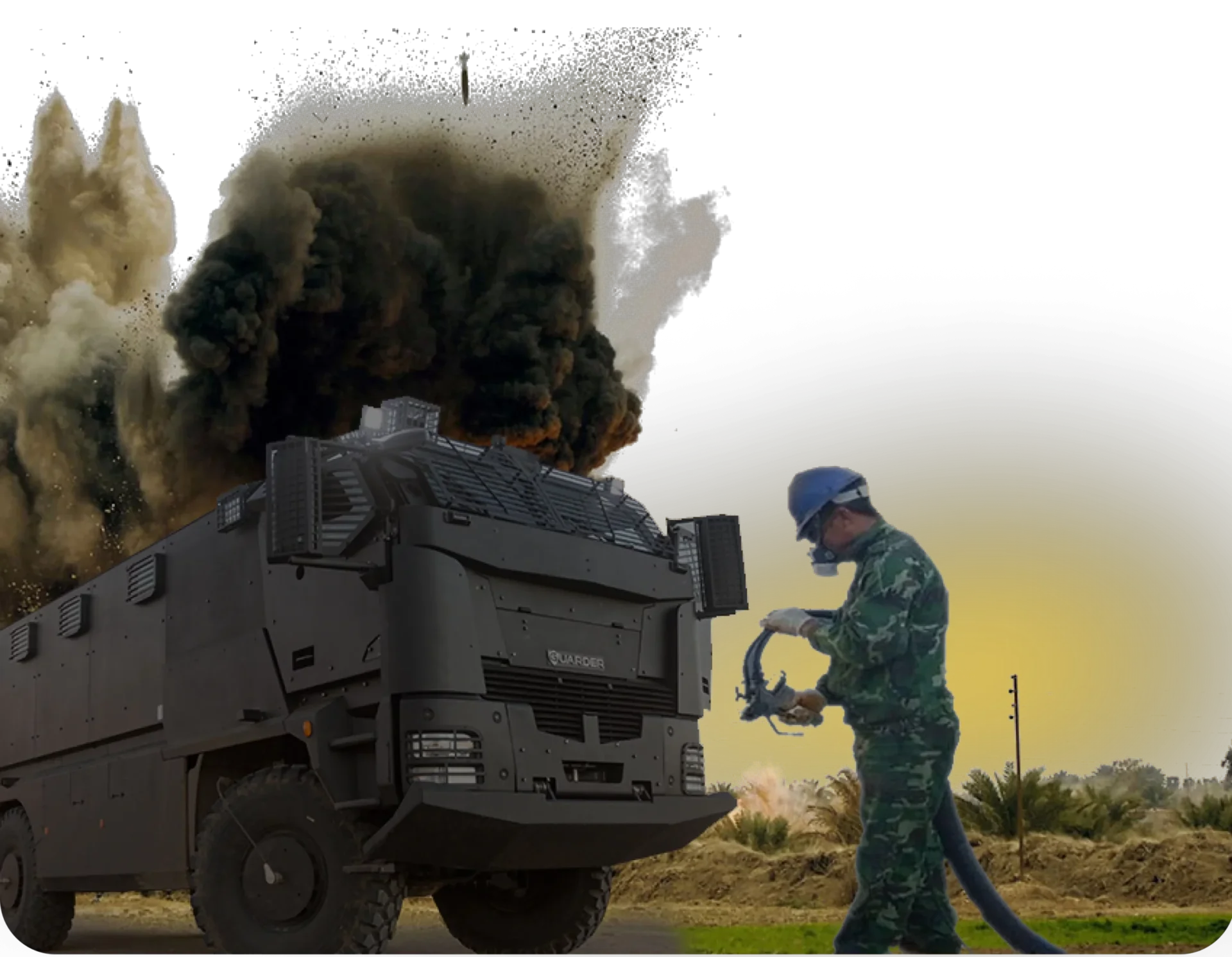
3. Explosion and Blast Protection: Grenade & Underbody Tests
Advanced armored SUVs are tested against hand grenades (e.g., two DM51 simultaneously) or larger charges under the vehicle. The floor and structure must prevent lethal fragments or blast waves from entering the cabin.

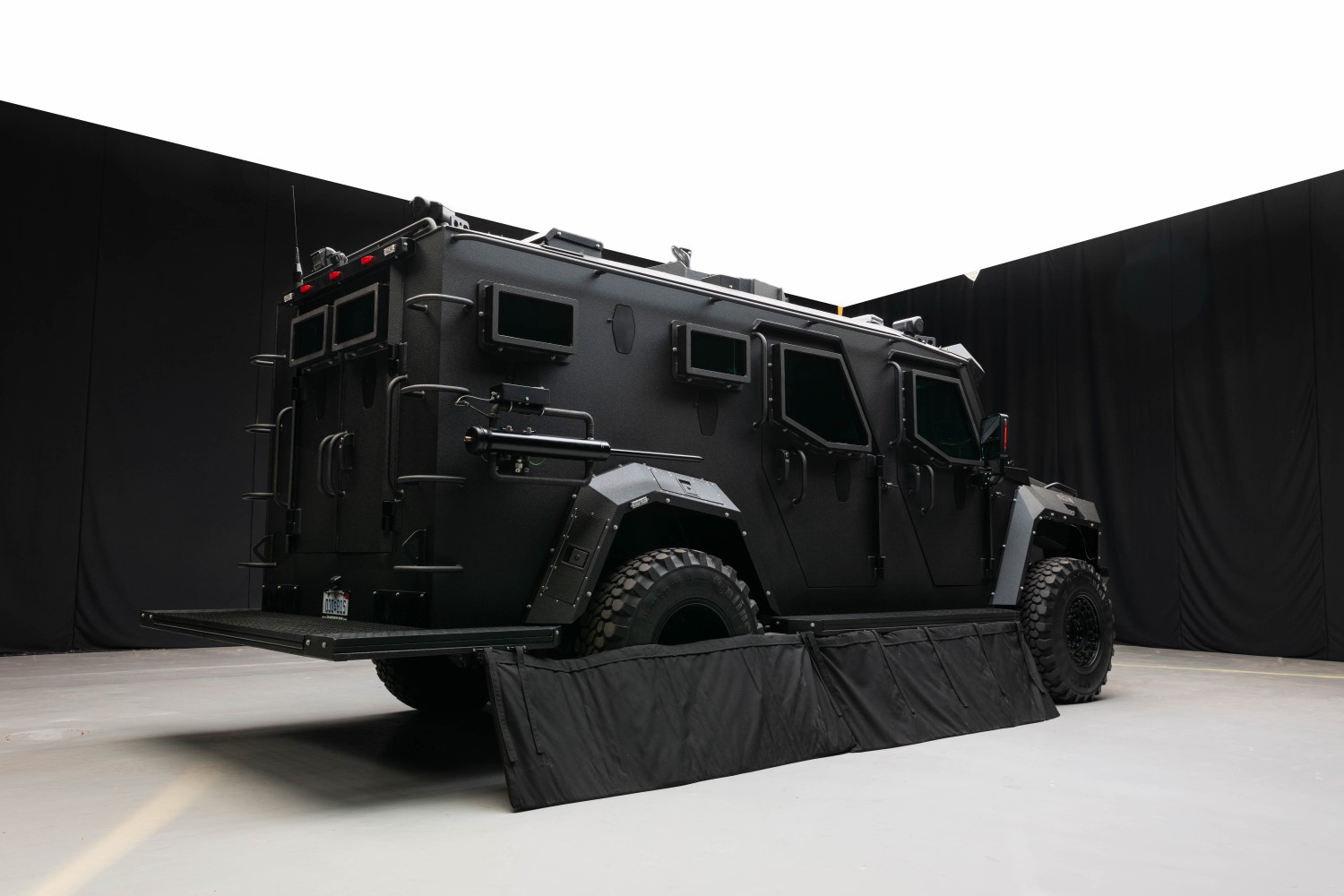
4. Run-Flat Tires and Mobility After Attack
Tires are shot multiple times, and the vehicle must drive at speed (often 50+ km/h) for dozens of kilometers on run-flat systems to allow escape.


5. Interior Safety During Tests
Real tests often include dummies or even personnel inside to verify no spall, deformation, or blast effects harm occupants.
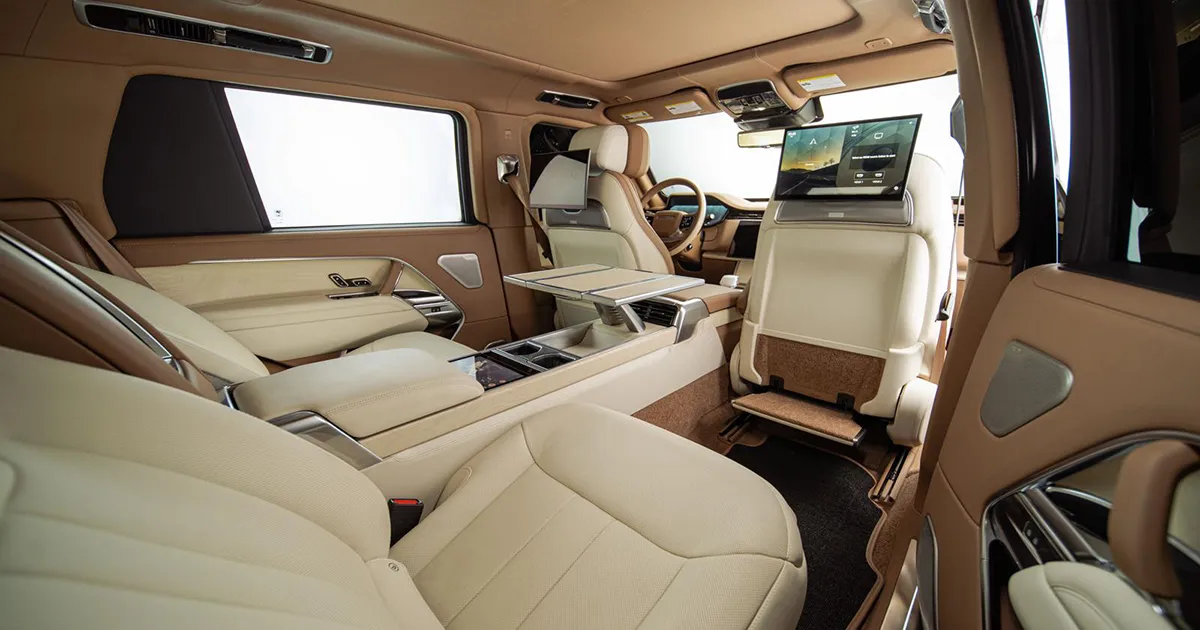
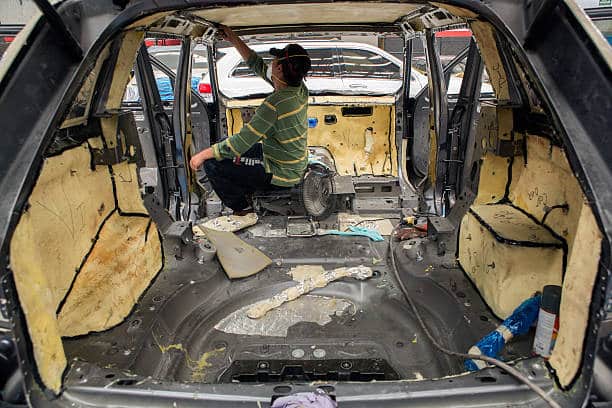
These tests are certified by independent labs and exceed minimum standards for real-world reliability. Modern armored SUVs balance protection with drivability—proving they're not just tough, but lifesavers.
(Based on 2025 industry reports and manufacturer demonstrations from INKAS, Alpine, and Armormax. Comment for more specifics!)
Comments
Post a Comment