How V-Shaped Hull Design Protects Against Mines: The Science of Survival
How V-Shaped Hull Design Protects Against Mines: The Science of Survival
By Defense Engineering Insights | January 15, 2026
In modern conflicts, landmines, IEDs (Improvised Explosive Devices), and under-vehicle blasts remain one of the greatest threats to military personnel. Traditional flat-bottom vehicles transmit massive shockwaves directly into the crew compartment, often causing fatal injuries. The V-shaped hull design revolutionized armored vehicle protection by redirecting explosive energy — a simple geometric solution that has saved thousands of lives since its widespread adoption in the mid-2000s.
This article explains the physics, engineering principles, and real-world effectiveness of V-hull technology.
The Basic Principle: Deflection Over Absorption
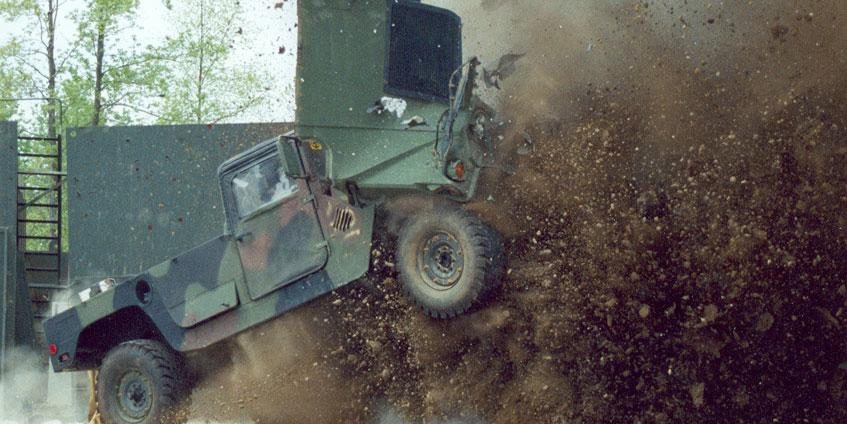
When an explosion occurs beneath a vehicle, the blast generates intense upward pressure and shockwaves. A flat floor absorbs and transmits this force directly to occupants, causing floor spall (fragments), acceleration injuries, and structural failure.
The V-shaped (or angled) hull changes the game: the angled plates deflect the majority of the blast energy **outward and upward**, away from the protected crew area. This reduces peak floor acceleration by 70–90% in many designs.
Visual comparison of blast effects — flat vs. V-shaped hull:


Key Engineering Features of V-Hull Protection
- Angled Underbody Plates: Typically 30–60° angle creates a natural deflection path for blast waves.
- Spaced & Sacrificial Layers: Outer hull deforms or "sacrifices" itself while inner structure remains intact.
- Energy-Absorbing Materials: Composites, foams, and crush structures further dissipate residual energy.
- Blast-Mitigating Seats: Seats with stroke mechanisms absorb vertical G-forces (up to 20–30 inches of travel in advanced designs).
- Multi-V or Double-V Hulls: Newer iterations use multiple angles for even better performance against larger charges.
See advanced multi-V hull optimization simulations:


Real-World Examples: MRAPs & Modern Vehicles
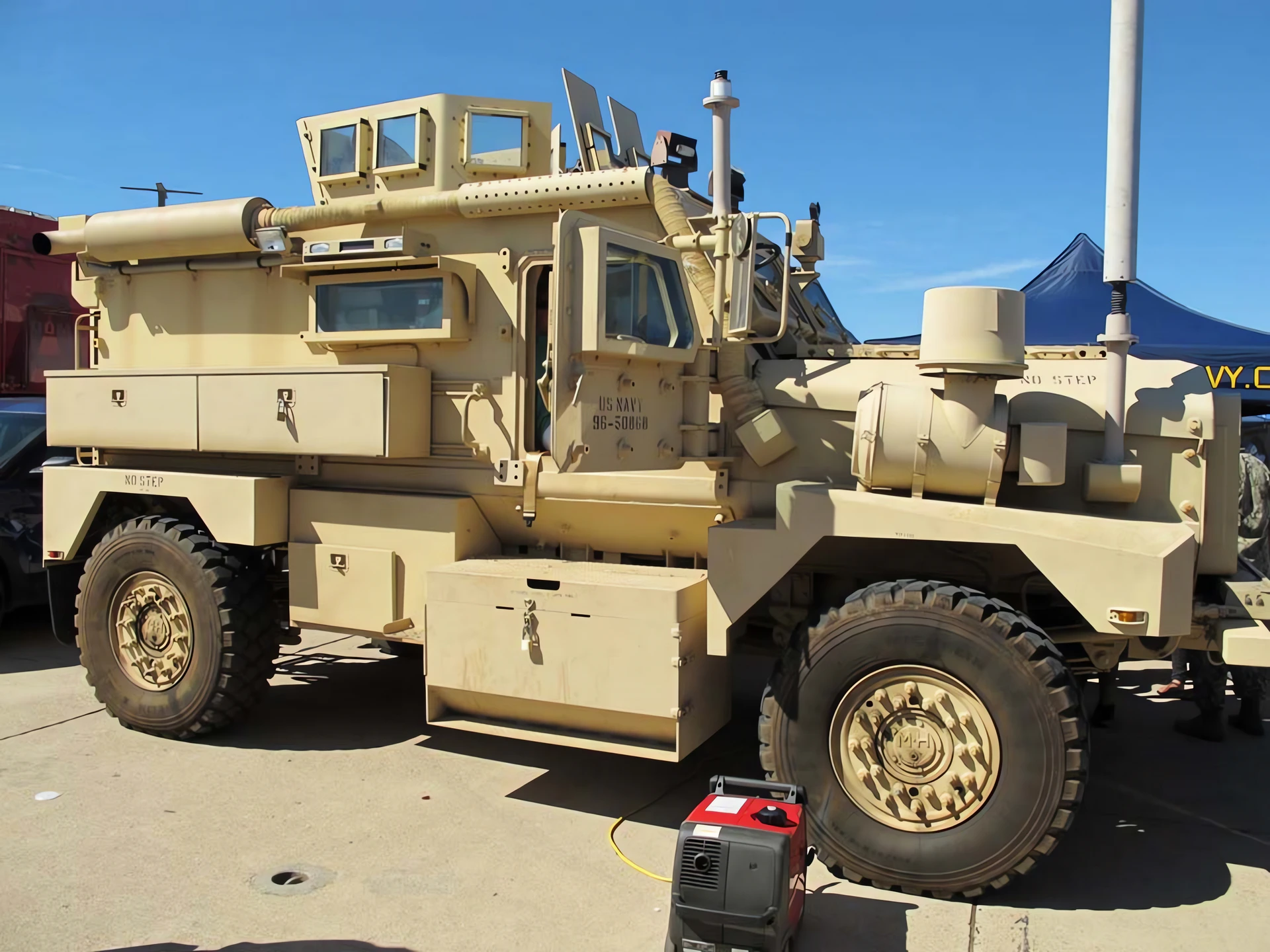
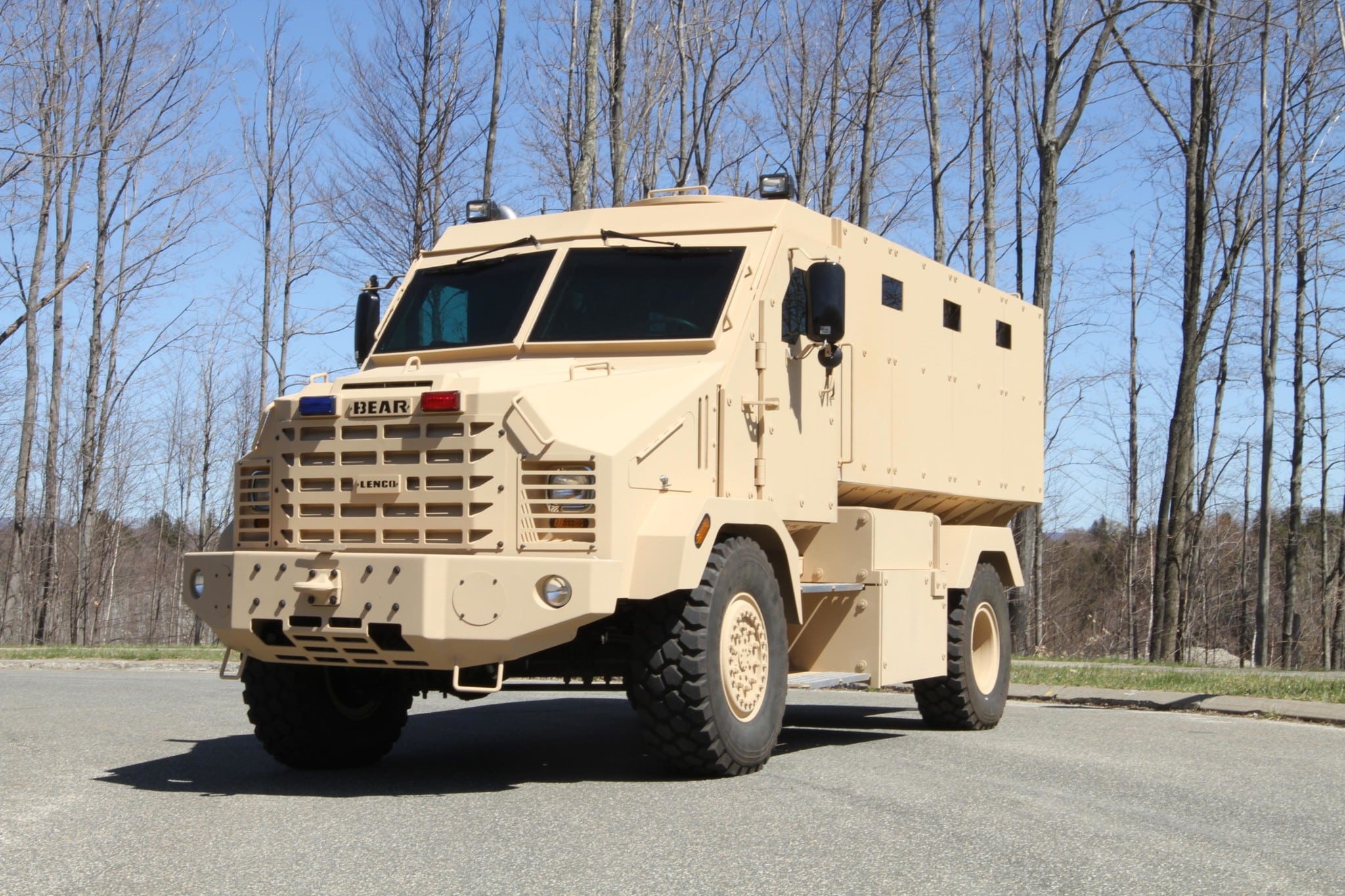
The V-hull concept gained fame through the Mine-Resistant Ambush Protected (MRAP) program. Vehicles like the Cougar, Buffalo, and MaxxPro dramatically reduced casualties compared to earlier Humvee designs.
Powerful photos of iconic V-hull MRAPs in action:
Blast Testing & Performance Data
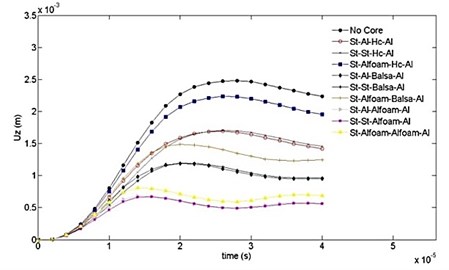
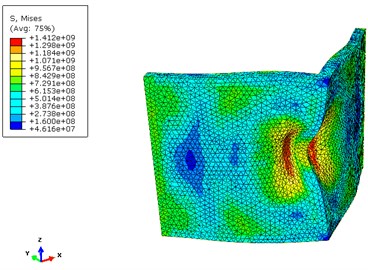
Live-fire tests consistently prove the effectiveness: V-hulls reduce transmitted impulse, floor intrusion, and acceleration peaks. Advanced simulations help optimize angles, thickness, and materials for lighter weight without sacrificing protection.
Dynamic blast simulation visuals:
Conclusion: A Life-Saving Geometric Innovation
The V-shaped hull is more than just an angled bottom — it's a proven, elegant engineering solution born from battlefield lessons. By redirecting rather than resisting explosive forces, it gives crews the best chance of survival in mine-heavy environments. As threats evolve, hybrid and multi-V designs continue to push protection boundaries while improving mobility and reducing weight.
In 2026, any serious armored vehicle operating in contested areas relies on this technology. The V-hull remains a cornerstone of modern underbody blast protection.
Comments
Post a Comment