Quality Control & Testing of Custom Armored Vehicles: Ensuring Safety and Reliability
Quality Control & Testing of Custom Armored Vehicles: Ensuring Safety and Reliability
Welcome back to our specialized vehicles blog! Today, we focus on one of the most critical aspects of custom armored vehicles—quality control (QC) and testing. In the production of armored vehicles, precision matters: every weld, layer of ballistic material, and integrated system can make the difference between life and death. Leading manufacturers like INKAS Armored, Alpine Armoring, and Lenco implement strict QC protocols and multi-stage testing to meet international standards, including NIJ, VPAM, CEN, and STANAG 4569.
Why Quality Control Matters for Armored Vehicles
Custom armored vehicles are designed to withstand high-velocity rifle rounds, armor-piercing ammunition, IED blasts, and environmental extremes. Poor QC can lead to catastrophic failures in the field. Manufacturers emphasize “unseen quality”—internal inspections that ensure reliability even when not visible to the user.
- INKAS: 25+ years of experience with strict QA protocols.
- Alpine Armoring: Exceeds government ballistic and environmental standards.
- Polaris Defense: Uses VIN tracking, 3D scanning, and electronic records for traceability.
QC builds trust with clients, including law enforcement, military, and VIP protection teams. Failures are simply not an option.
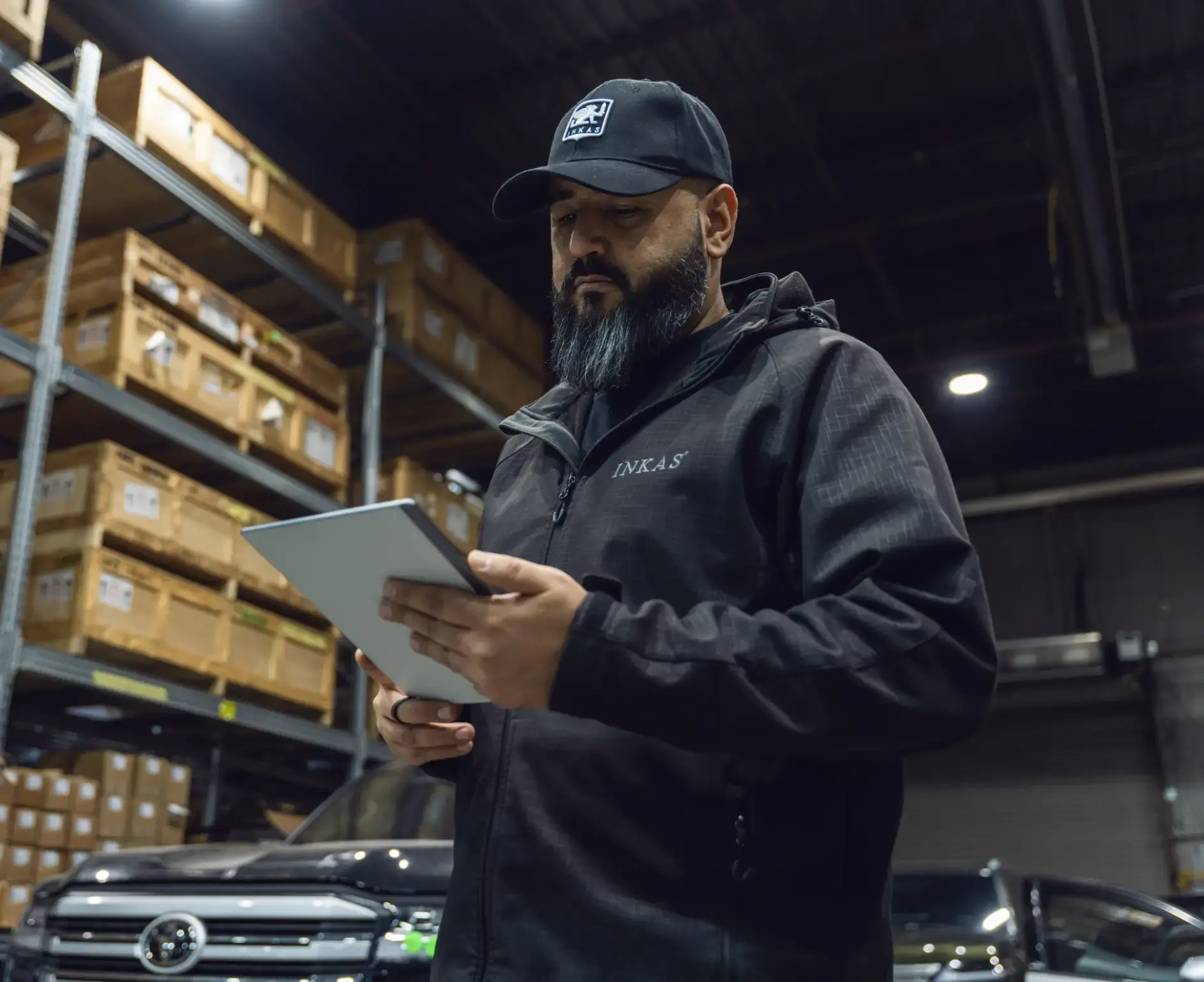
Stages of Quality Control in Armored Vehicle Production
QC is integrated at every stage of production, from raw materials to final vehicle delivery. The main stages include:
- Incoming Material Inspection: Verification of ballistic steel, composites, glass, and chassis components. Certified materials, such as CEN 1063 glass, are tested for thickness, hardness, and composition. Non-destructive testing (NDT) like ultrasonic scans detects defects early.
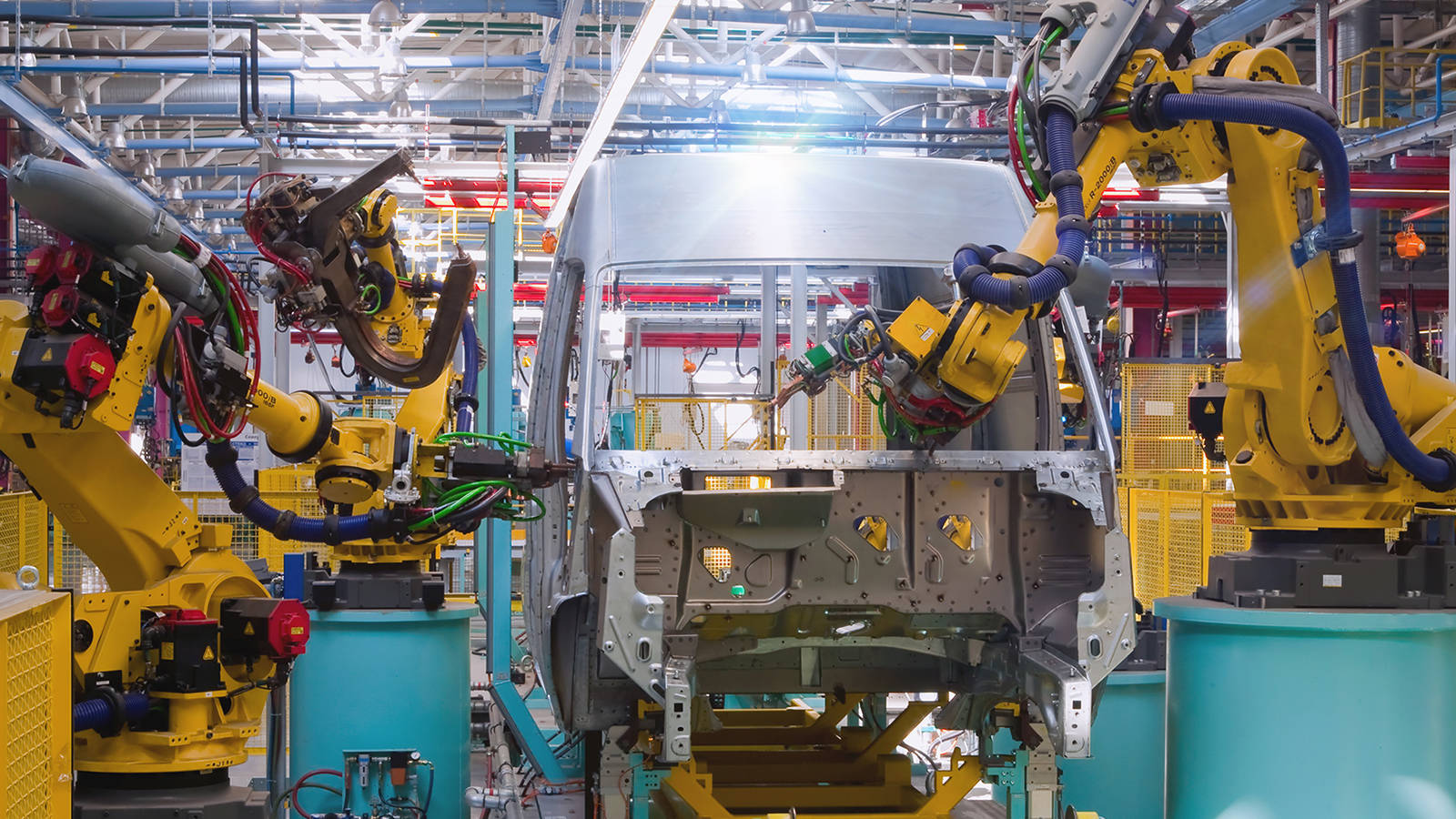
- In-Process Quality Assurance: During fabrication—cutting, welding, and armoring—checks include weld quality, dimensional accuracy via 3D scanners, and torque verification using digital tools. Alpine Armoring uses precise CNC cutting for ballistic panels.
- Assembly and Integration Checks: Electrical systems, suspension, run-flat tires, and add-ons like cameras are functionally tested. Automation ensures consistency and reduces human error.
- Final Quality Control: Comprehensive inspections before delivery, including road tests, system functionality checks, and structural visual inspection. Polaris Defense uses “rolling road” tests and automated fluid fills for full traceability.
Key Testing Methods and Standards
Testing ensures armored vehicles meet protection requirements against real-world threats:
- Ballistic Testing: Simulates gunfire per NIJ, VPAM (VR1-VR14), CEN (B1-B7), or STANAG 4569. Vehicles must withstand multiple hits with minimal back-face deformation.
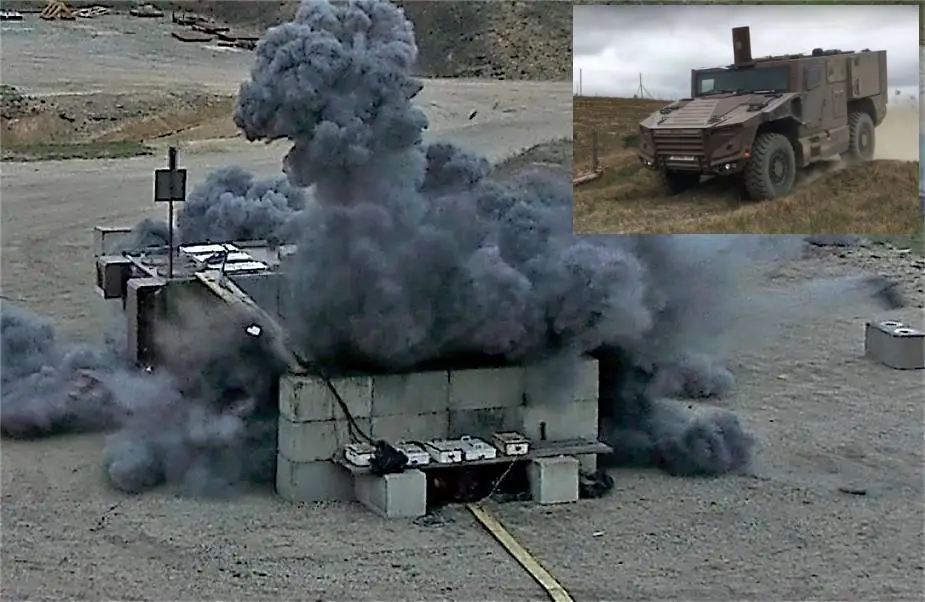
- Blast Testing: Underfloor charges assess V-hull designs against IEDs/mines.
- Environmental & Durability Testing: Extreme temperatures, vibrations, and off-road simulations test vehicle reliability.
Alpine Armoring even tests armored electric vehicles, such as Teslas, against AK-47 rounds. Testing can be done in-house or at independent labs, including Aberdeen Proving Ground.

Blast and Mine Resistance
Military-grade vehicles undergo underbody blast tests simulating IEDs. Testing measures:
- Occupant survivability
- Structural integrity
- Spall (fragmentation)
High-speed cameras capture deformation and fractures, and advanced composites like nanotube-reinforced aluminum are evaluated in real tests.
Certification and Continuous Improvement
Successful QC and testing lead to certifications such as VPAM VR7 or U.S. Army approvals. Top manufacturers maintain:
- ISO 9001 / 14001 certifications
- TÜV approvals
- Continuous R&D and post-production evaluation
Manufacturers like Alpine and INKAS push the limits of testing, ensuring armored vehicles exceed current protection standards and stay ahead of evolving threats.
Conclusion
Quality control and testing are the backbone of custom armored vehicle production, turning raw materials into life-saving machines. Every inspection, from initial material checks to ballistic and blast trials, ensures performance in critical situations. As threats evolve, QC processes evolve too, driven by innovation, precision, and strict standards.
For anyone in security, defense, or VIP protection, understanding these processes highlights why top manufacturers are trusted worldwide.
Curious about armored vehicle testing? Which method fascinates you most? Comment below!
Related Links:
Comments
Post a Comment