Types of Armored Steel Used in Vehicles – Ballistic & Military Grades Guide
Types of Armored Steel Used in Vehicles
From military tanks to civilian bulletproof cars – Understanding ballistic steel grades (Updated 2026)
What is Armored Steel?
Armored steel, also known as ballistic steel or armor plate, is a high-hardness alloy specially engineered to withstand bullets, shrapnel, fragments, and sometimes explosive forces. It achieves this through extreme hardness (measured in Brinell Hardness Number – BHN), combined with toughness to prevent cracking on impact.
There are two primary categories:
- Military-grade ballistic armor – Certified to strict standards like MIL-DTL-46100, MIL-A-12560, or STANAG 4569
- Abrasion-resistant (AR) steels – Often used in civilian armoring or as cost-effective alternatives (e.g., AR500, AR550)

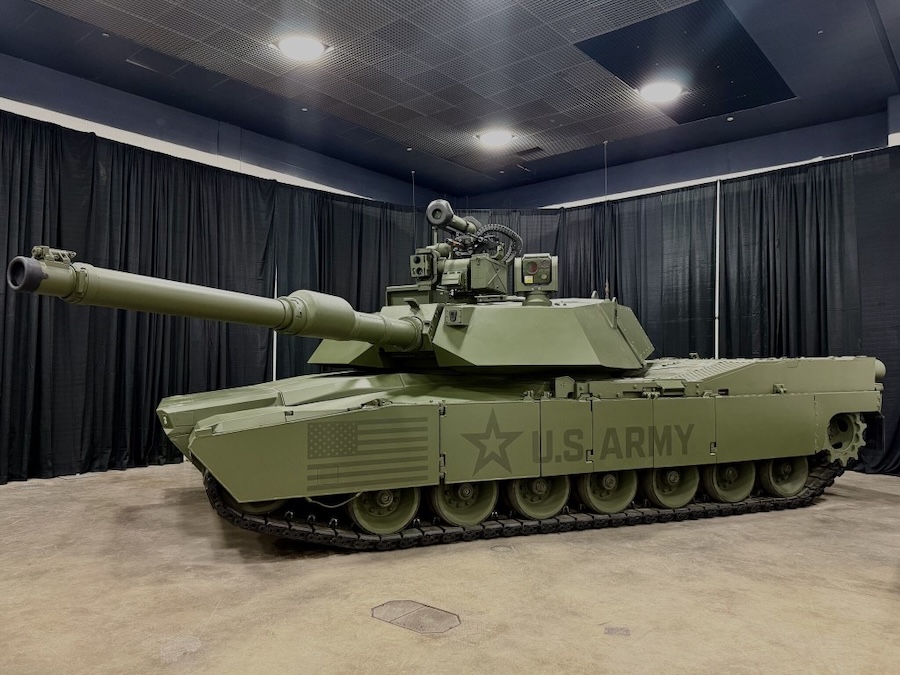

Common Types of Armored Steel – Comparison Table
| Grade / Spec | Category | Typical Hardness (BHN) | Common Thickness | Main Applications | Protection Level (examples) |
|---|---|---|---|---|---|
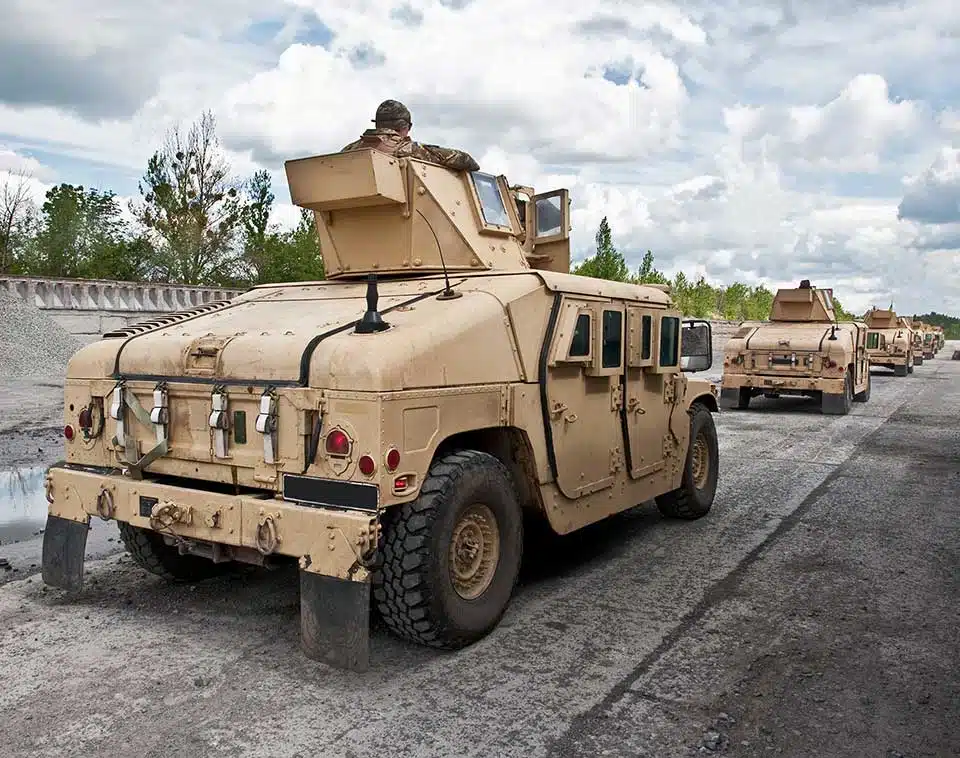
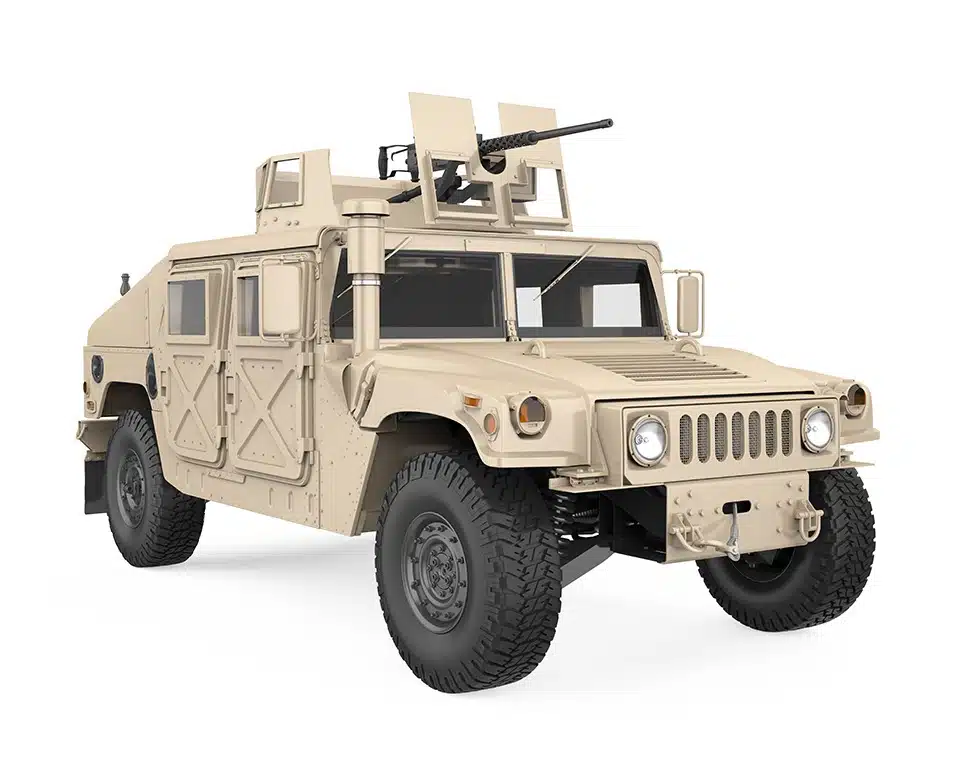
| MIL-DTL-46100 | Military High Hardness Armor (HHA) | 477–534 | 0.1" – 2" | Tanks, APCs, MRAPs, add-on kits | High-velocity AP rounds, sniper threats |
| MIL-A-12560 | Military Rolled Homogeneous Armor (RHA) | 330–410 | Up to 12" | Tank hulls, blast-resistant structures | Fragments, lower-velocity projectiles, explosions |
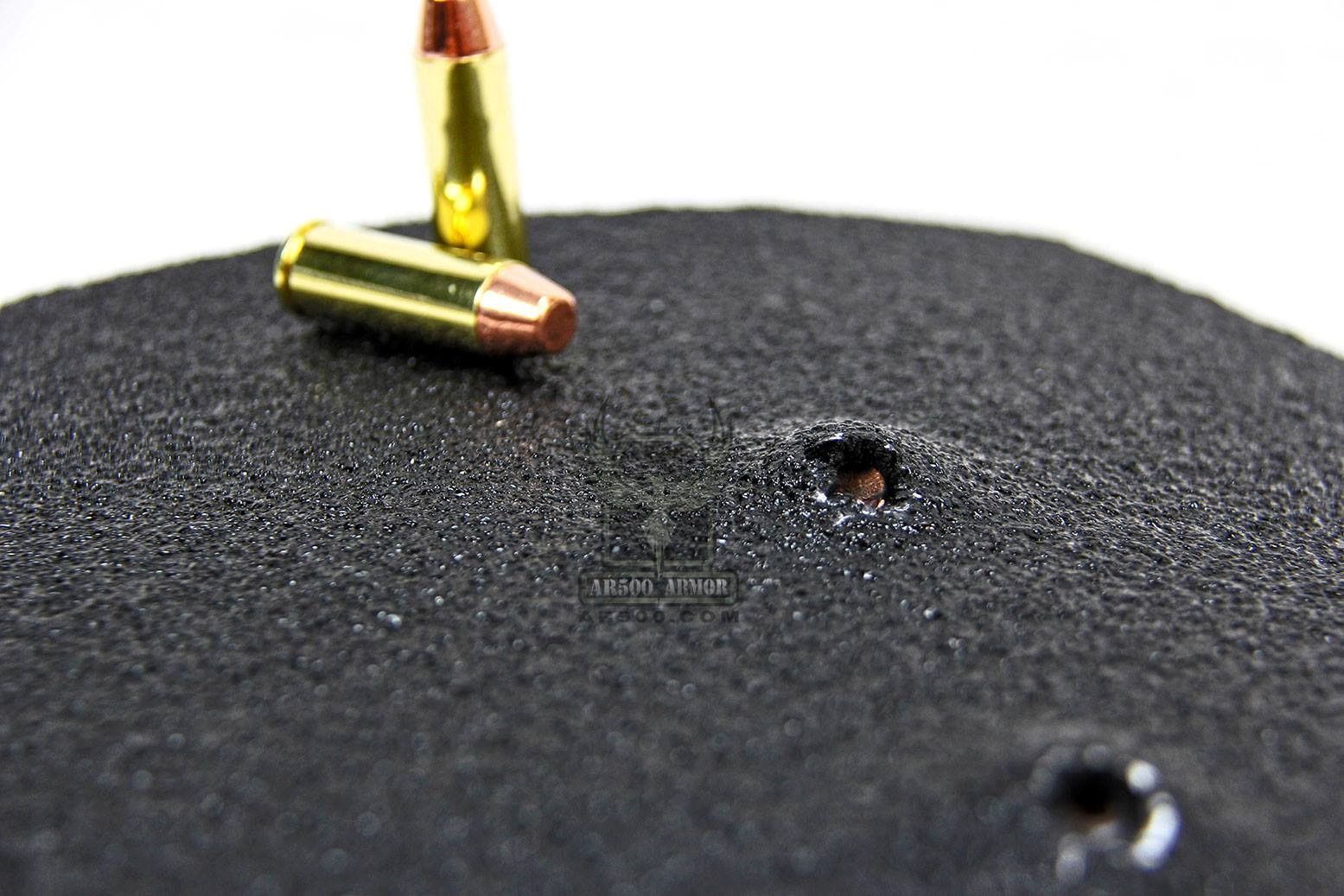
| AR500 | Abrasion Resistant (civilian/military crossover) | 470–540 | 0.2" – 1" | Civilian armored vehicles, body armor, targets | Handguns to 7.62mm FMJ (multi-hit in thicker plates) |
| AR550 / AR600 | Ultra-High Hardness Abrasion Resistant | 525–650 | Thinner possible | Lightweight VIP vehicles, high-threat armoring | Rifle rounds, some AP threats (weight savings) |
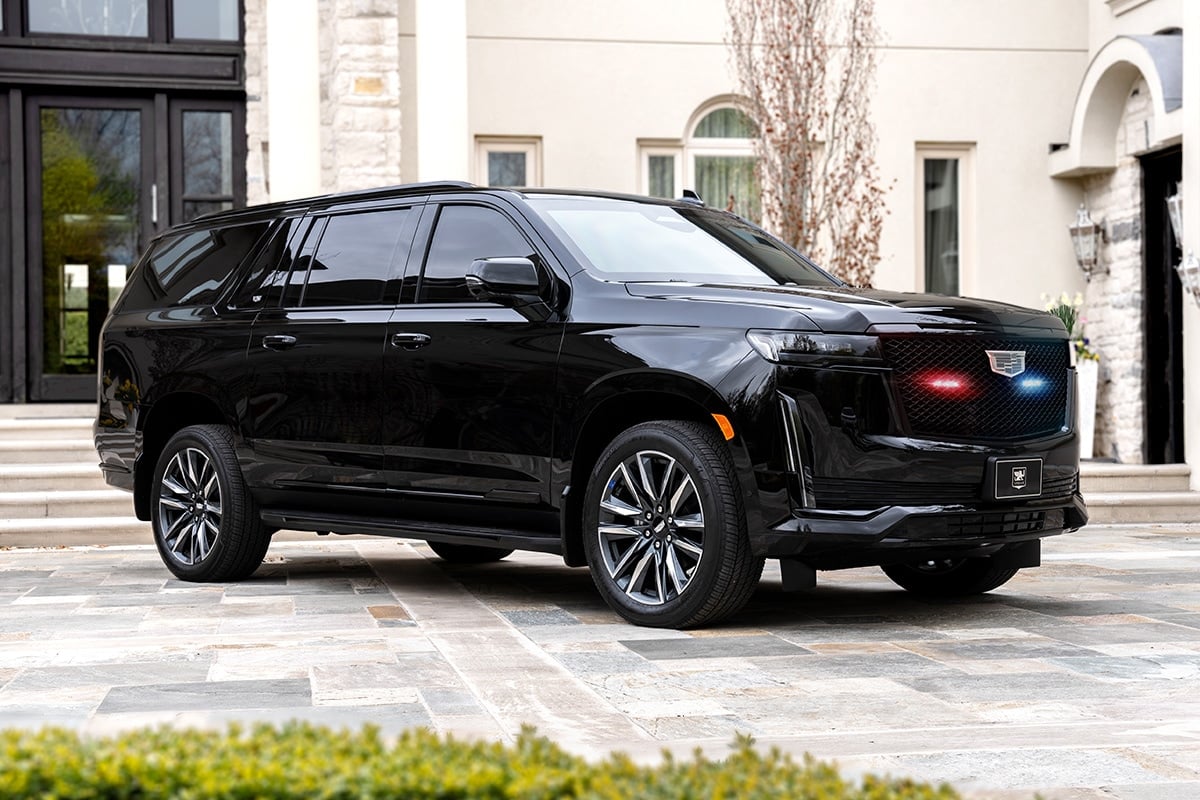
| Proprietary (Armox, Quardian, Hardox ballistic grades) | Commercial Ballistic Steels | 477–600+ | Varies | Armored sedans, cash-in-transit vans, police vehicles | B4–B7 / VPAM levels (handguns to 7.62 AP) |
Popular Grades in Real-World Use
1. MIL-DTL-46100 – Military Workhorse
The go-to for modern armored fighting vehicles. Provides excellent protection against high-velocity threats while remaining weldable and formable.
2. AR500 – Civilian & Budget-Friendly Choice
Widely used in private security vehicles and DIY armoring due to its balance of cost, availability, and performance against common rifle rounds.
3. AR550/AR600 – Lightweight High-Performance
Higher hardness allows thinner plates, reducing weight in executive armored cars without sacrificing protection.
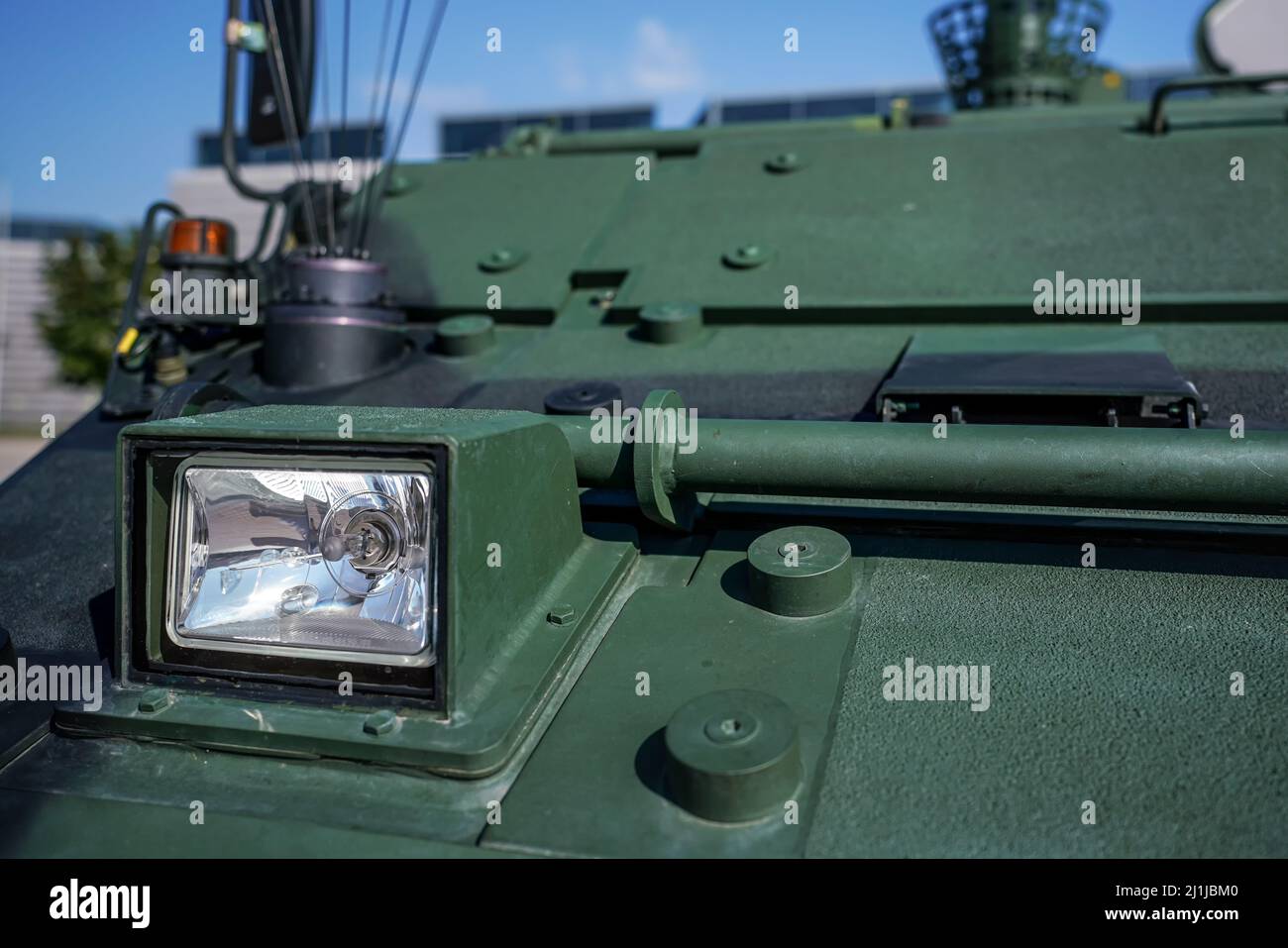

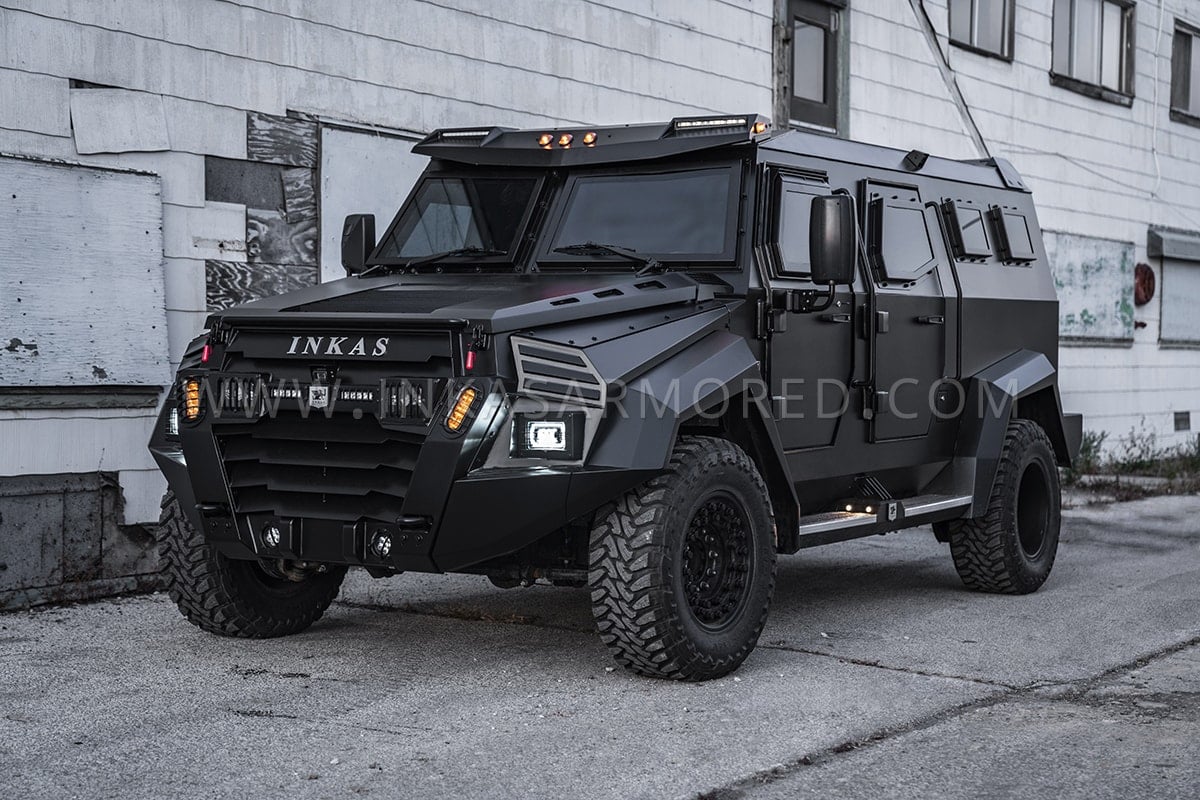
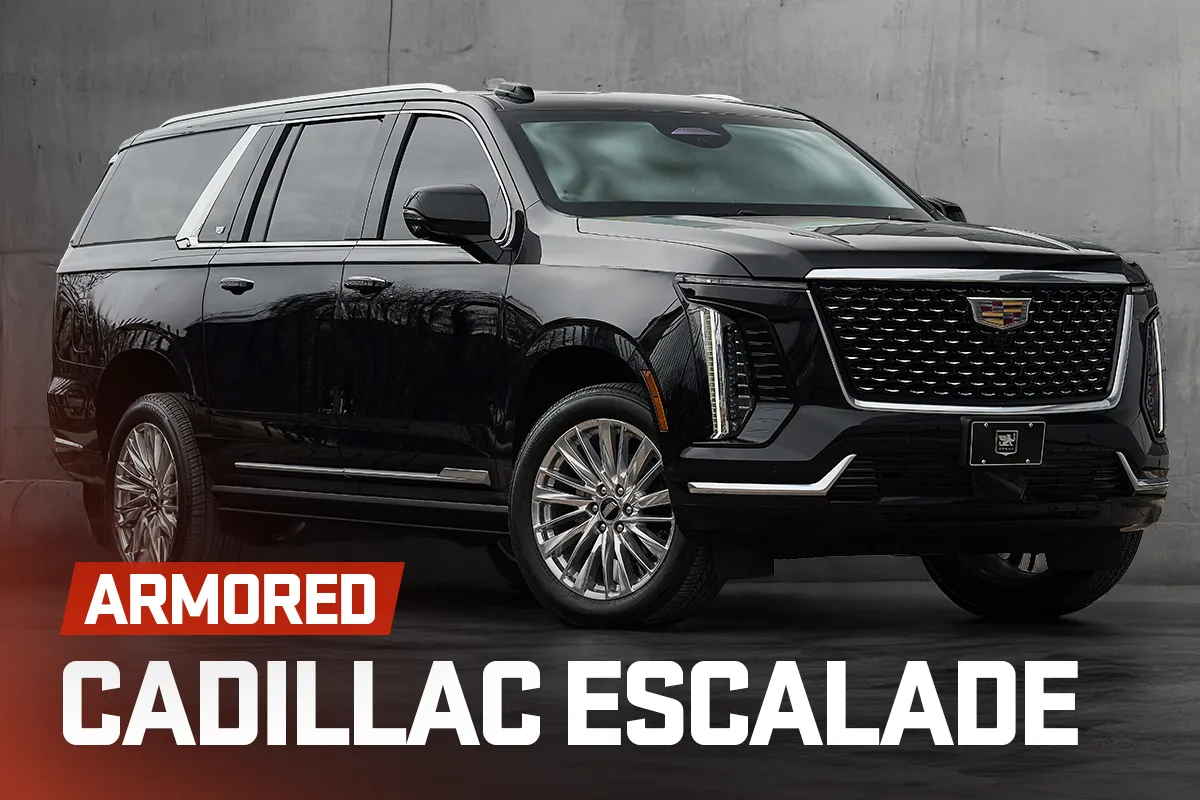
Examples in Civilian Armored Vehicles
Key Factors When Selecting Armored Steel
- Threat Level: Match hardness and thickness to expected threats (handgun vs. rifle vs. AP)
- Weight Penalty: Harder steels allow thinner/lighter protection but can be more brittle
- Weldability/Formability: Critical for vehicle integration; extreme hardness can cause cracking
- Certification & Testing: Military needs certified plates; civilian often uses tested commercial equivalents
- Cost & Availability: AR500 is most affordable and readily available


Comments
Post a Comment