Best Countries to Buy Armored Vehicles: Price Comparison Guide
Best Countries to Buy Armored Vehicles: Price Comparison Guide
Armored vehicles come in two main categories: military-grade platforms (tanks, IFVs, APCs) and civilian armored cars (bulletproof SUVs, sedans for executive protection or high-risk environments). Prices vary dramatically based on new vs. used/surplus, protection level (e.g., B6/B7 ballistic), customization, import duties, and local manufacturing advantages. This guide compares key countries/regions for purchasing armored vehicles, focusing on affordability, availability, and value in 2025-2026 context.

Modern armored vehicles in operation — illustrating the diversity of platforms available globally.
Civilian Armored Vehicles: Where to Get the Best Deals
For private buyers, high-net-worth individuals, or security firms, civilian armoring adds $50,000–$200,000+ to a base vehicle. Total costs for fully armored SUVs often range from $150,000–$600,000+ depending on base model and protection.
| Country/Region | Avg. Armored SUV Price Range (2025 est.) | Key Advantages | Drawbacks |
|---|---|---|---|
| Brazil | $80,000–$150,000 (armoring + base) | World's largest producer of civilian armored vehicles (34,000+ units in 2024); falling costs; high local demand drives competition | Primarily domestic market; export restrictions possible |
| United States / Canada | $200,000–$600,000+ | High-quality, certified armoring (e.g., INKAS, Alpine Armoring); wide selection of luxury bases; strong aftermarket support | Higher labor & material costs; premiums for top-tier protection |
| Europe (Germany, Italy, UK) | $250,000–$700,000+ | Advanced tech & luxury integration; reputable manufacturers | Expensive due to regulations & skilled labor |
| Middle East (UAE) | $150,000–$500,000 | Local customization hubs; access to global brands | Import-dependent; variable quality |
Brazil stands out as the most cost-effective for civilian armored vehicles due to massive local production and economies of scale from high domestic demand in high-crime urban areas. Armoring costs have dropped ~25% in the past decade, making mid-level protection accessible to middle-class buyers.
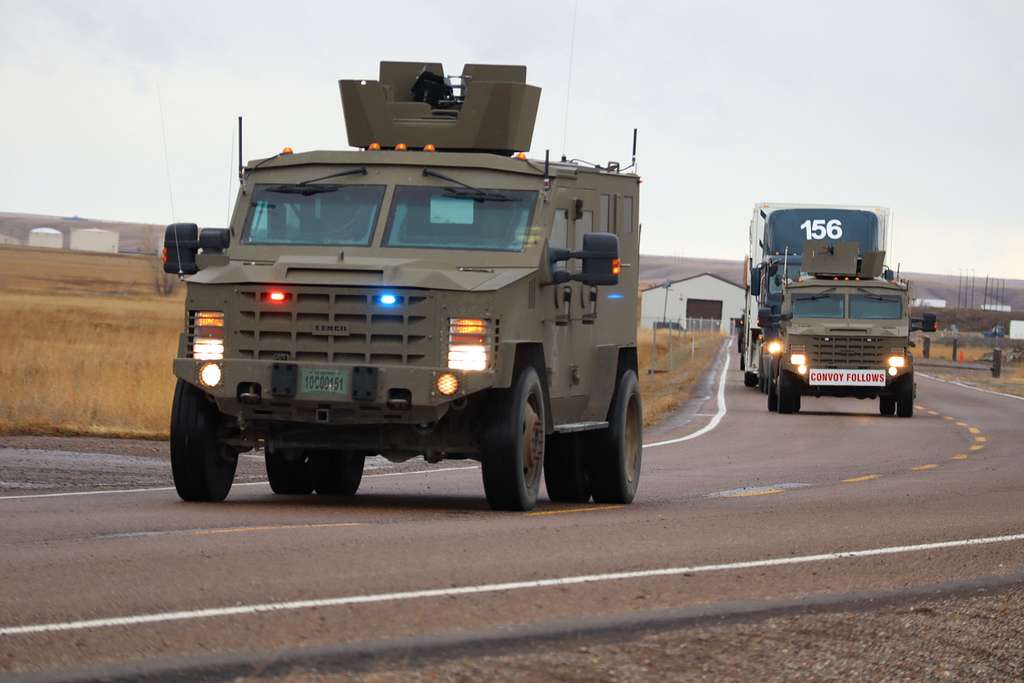
Armored tactical vehicle — representative of platforms available in surplus or new markets.
Military Armored Vehicles: Affordable Sources & Export Markets
Military platforms (APCs, IFVs, MBTs) cost millions per unit new, but surplus, used, or export-oriented models from major producers offer better value. China and Russia historically provide lower-cost options, though quality and support vary. Western platforms command premiums for reliability and tech.
- China: NORINCO exports (e.g., MBT-2000/3000 variants) at competitive prices — often 30-50% below Western equivalents. Attractive to developing nations focused on unit cost.
- Russia: T-90MS & export APCs/IFVs remain among the lowest-cost modern options, though sanctions limit availability in some markets.
- Turkey: Otokar (Cobra II) & other wheeled platforms offer strong value — e.g., recent deals in Eastern Europe at competitive pricing.
- United States: JLTV (~$250,000–$400,000), Humvee successors, or surplus — high reliability but higher upfront cost.
- Europe (Germany, France, UK): Rheinmetall, KNDS (Leopard 2 upgrades), Patria AMV — premium pricing but excellent lifecycle support.
- Surplus Markets (UK, Eastern Europe): Ex-military Ferret, FV432, or older APCs available for $10,000–$50,000 in civilian-legal form.
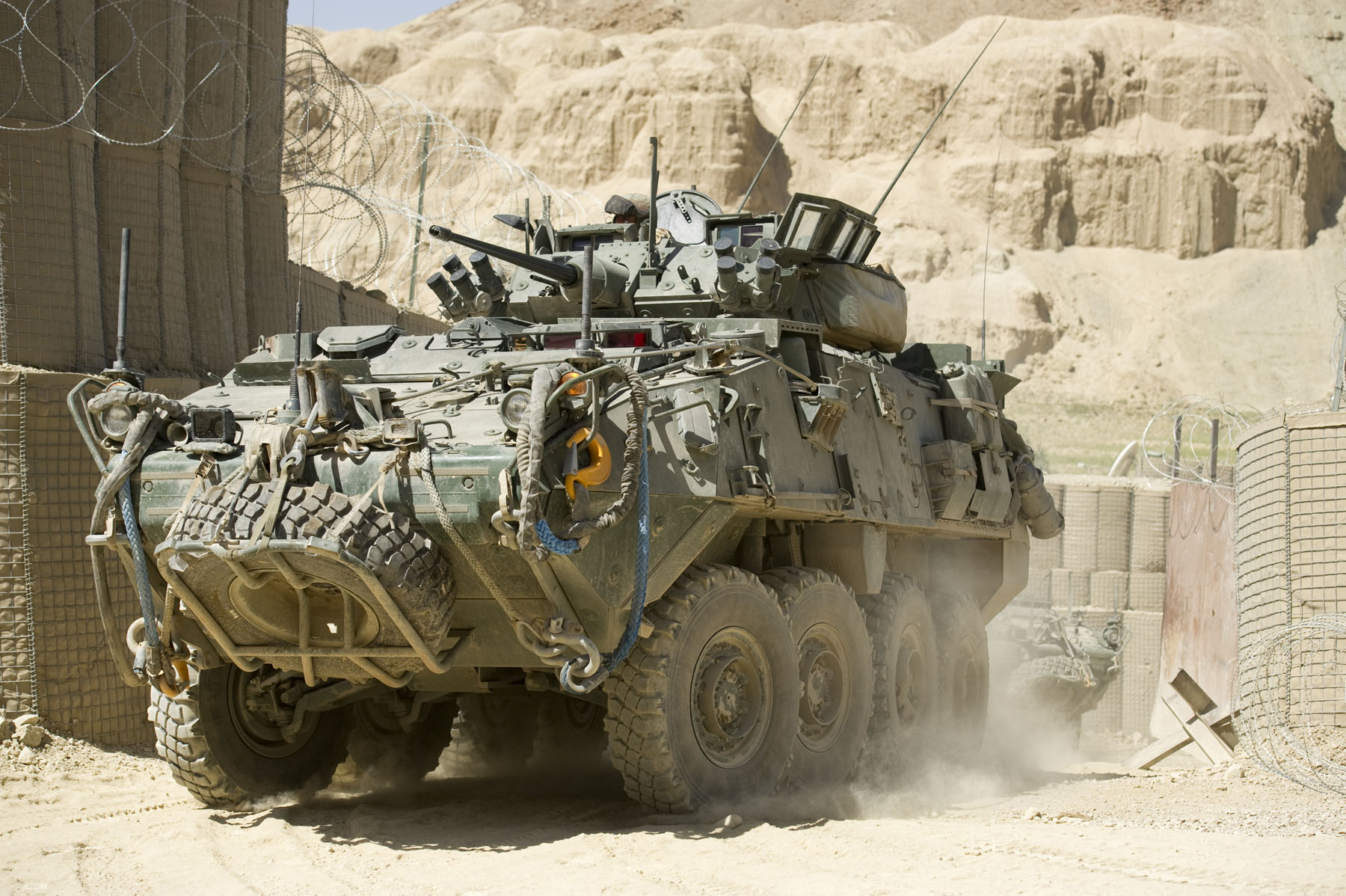
Patria AMV / LAV III — example of a high-mobility wheeled platform exported globally.
Factors Influencing Best Country Choice
- Budget & Volume: Low-cost buyers → China, Russia, Turkey, Brazil (civilian).
- Quality & Support: Premium buyers → USA, Germany, Israel (high-end civilian/military).
- Import/Export Rules: Civilian armoring often easier in producing countries; military sales require end-user certificates & face ITAR/EU restrictions.
- Hidden Costs: Shipping, duties, local certification, spares, and training can add 20–50% — favor local or regional sources when possible.
Conclusion: Top Recommendations by Buyer Type
- Best for Civilian / Executive Protection (Budget-Friendly): Brazil — unmatched production scale and falling prices.
- Best for Civilian (Premium/Luxury): United States or UAE — wide customization & certification.
- Best for Military (Cost-Effective): China or Turkey — competitive pricing with modern designs.
- Best for Military (High-End): Germany/USA — superior tech, interoperability, and long-term support.
Always conduct due diligence, consult local regulations, and factor in lifecycle costs beyond the purchase price. Prices fluctuate with currency, geopolitics, and supply chains — get current quotes from manufacturers or dealers.
≈ 1,050 words


Comments
Post a Comment