How Bulletproof Glass Is Made (2026 Edition)
How Bulletproof Glass Is Made
The Engineering Behind Transparent Armor (2026 Edition)
What Is Bulletproof Glass Really?
Bulletproof glass (more accurately called bullet-resistant or ballistic glass) is a multi-layered composite that combines hard glass with flexible polycarbonate to stop or dramatically slow bullets while remaining transparent.
It is **not** completely bulletproof — different thicknesses and compositions are rated to stop specific calibers and velocities (from handguns to high-powered rifles).
Core Materials
- Glass layers (tempered or chemically strengthened) — shatter the bullet's tip on impact
- Polycarbonate layers (Lexan, Makrolon, etc.) — extremely tough and flexible, absorb massive kinetic energy
- Interlayers (PVB, TPU, EVA, or polyurethane films) — permanently bond all layers together
- Optional: inner spall shield (extra polycarbonate) to prevent glass fragments from flying inward
Typical Layer Structure (Cross-Section Examples)
The more layers and the thicker the panel, the higher the protection level. Here are real cross-section views of ballistic glass:


Typical build: glass + interlayer + polycarbonate + interlayer + glass… (thickness usually 19–100+ mm)
Manufacturing Process – Step by Step
- Material Cutting & Preparation
Glass and polycarbonate sheets are precision-cut (usually with waterjet or diamond tools) and cleaned to remove all dust and oils. - Layer Stacking
Layers are carefully stacked in exact sequence — no air bubbles or misalignment allowed. - Vacuum Bagging
The entire stack is sealed in a vacuum bag to remove all air. - Autoclave Lamination (The Critical Step)
Placed in a giant industrial autoclave:
• Temperature: 120–150°C (248–302°F)
• Pressure: 10–15 bar (≈145–220 psi)
• Duration: several hours
Heat and pressure melt the interlayers, fusing everything into one solid, crystal-clear panel. - Controlled Cooling
Slow, precise cooling to prevent warping or internal stresses. - Edge Finishing & Coatings
Edges polished + optional anti-scratch, anti-reflective, or hydrophobic coatings applied. - Ballistic Testing
Every batch is tested with live fire according to standards (UL 752, NIJ, EN 1063, VPAM, etc.)
Here’s what a real ballistic glass autoclave looks like (these machines are massive):


What It Looks Like When Bullets Hit
Properly made bullet-resistant glass crazes heavily but stays intact — the polycarbonate absorbs the energy:
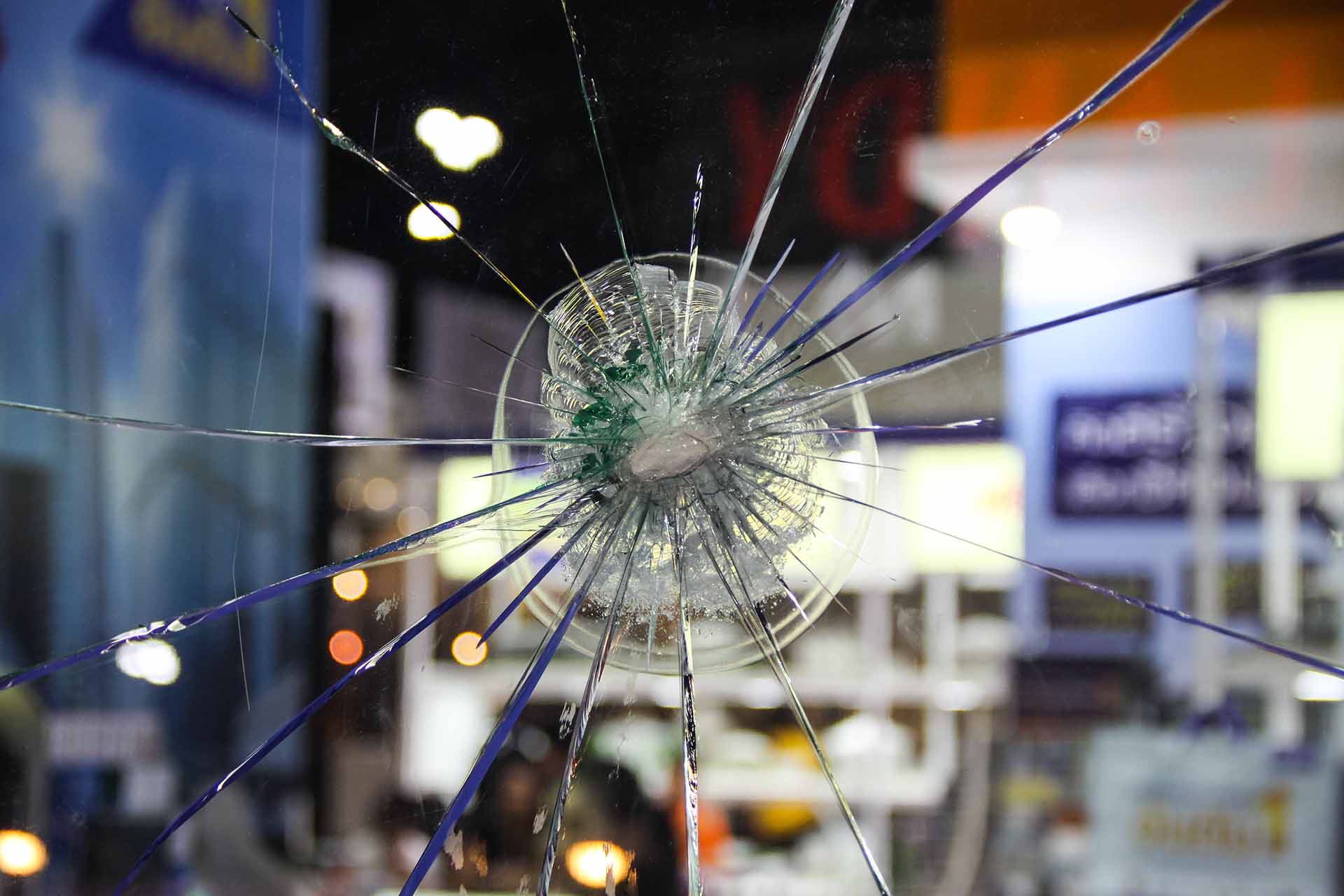
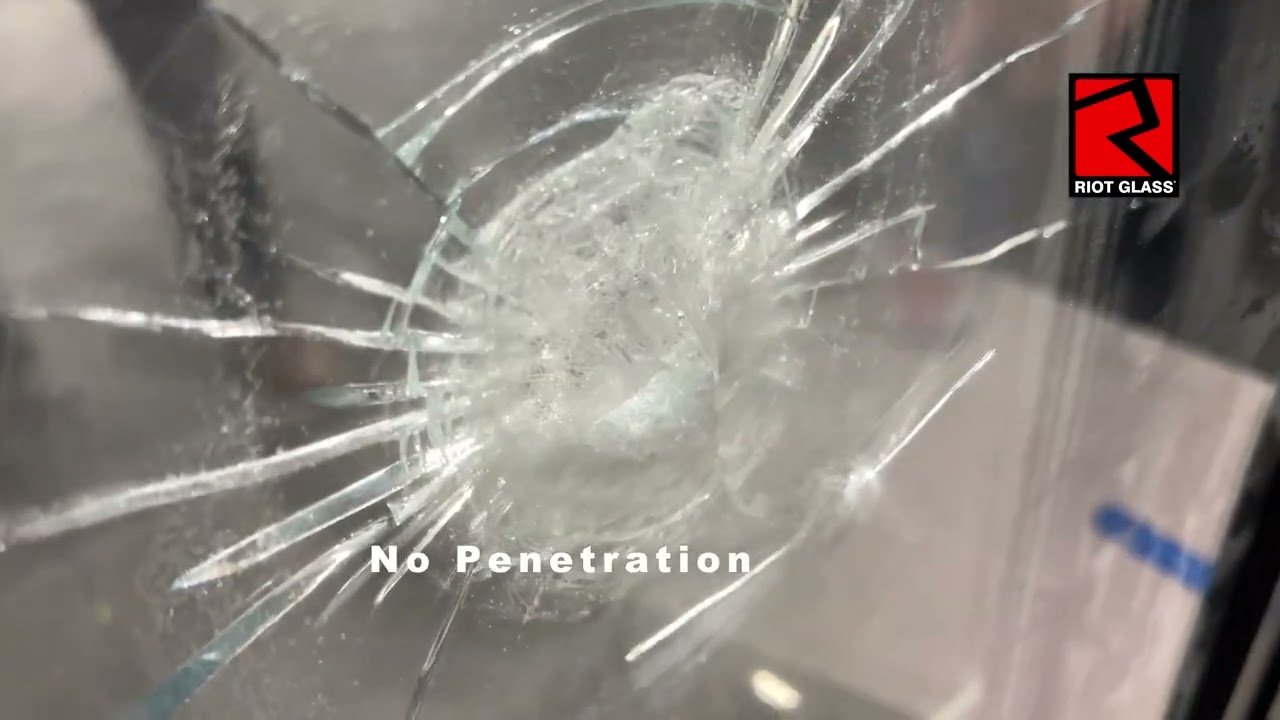
The glass spiderwebs but never shatters completely — that's the magic of the polycarbonate layers.


Comments
Post a Comment