Types of Armored Steel Used in Vehicles - Complete Guide
Types of Armored Steel Used in Vehicles - Complete Guide
In modern armored vehicles (tanks, APCs, MRAPs, cash-in-transit vehicles, etc.), steel remains the most fundamental and reliable armor material. While composite armor, ceramics, titanium alloys and other advanced materials dominate headlines, various high-hardness armored steels continue to be irreplaceable due to their cost-effectiveness, workability, multi-hit capability, and structural strength.

Main Types of Armored Steel Compared
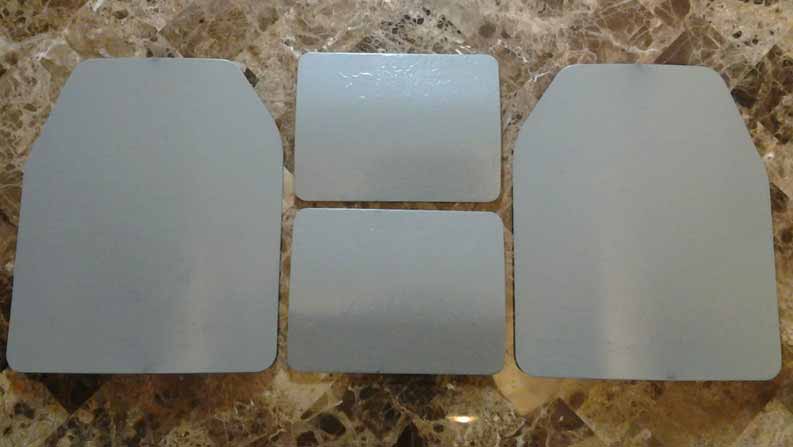
1. MIL-DTL-46100 (High Hardness Armor - HHA)
Hardness: 477–534 HB
The most widely used high-hardness armor steel in military vehicles today, commonly referred to as "46100 steel".
- Excellent resistance to penetration (stops high-velocity small-caliber AP rounds)
- Good multi-hit performance
- Typically used in thicknesses from 3–50 mm
Typical applications: Side/front armor of APCs, MRAP vehicles, add-on armor for light tanks, command vehicles.

2. Commercial AR500 / AR550 Steel
Hardness: 470–540+ HB (AR500) / 500–550+ HB (AR550)
Originally designed as ultra-wear-resistant steel for mining and heavy machinery, later widely adopted for civilian armored vehicles, shooting range targets, and DIY armor projects.
- Extremely cost-effective
- Ballistic performance close to MIL-46100 (but slightly inferior consistency & toughness)
- More spall/fragmentation — usually requires anti-spall coating
Typical applications: Civilian armored pickups, cash-in-transit vans, budget armor conversions, shooting range protection.
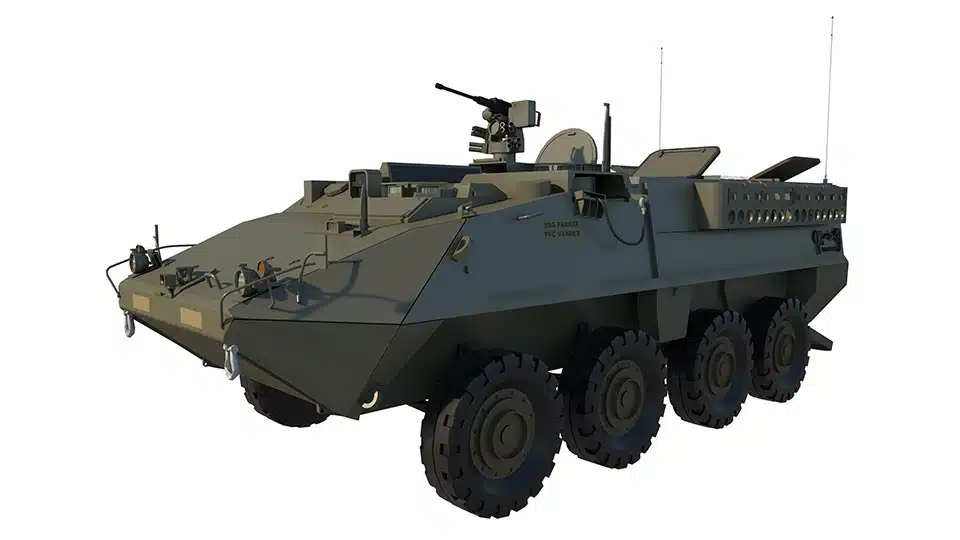
3. MIL-A-12560 (Class 1–4)
Hardness: ~330–410 HB (Class 1)
The classic military Rolled Homogeneous Armor (RHA) steel — excellent toughness, particularly suitable for blast resistance and large deformation impacts.
- Class 1 – Kinetic energy protection
- Class 2 – Blast protection (commonly used for vehicle floors)
- Class 3/4 – Special applications
Typical applications: Older tank structural components, modern V-shaped blast-resistant hulls, areas requiring good weldability and ductility.

4. Ultra-High Hardness / Advanced Armored Steels (Armox® 500T–600T / Ramor 550/600)
Hardness: 500–650 HB
Ultra-high hardness steels from SSAB and other manufacturers — lighter weight with superior protection, commonly used in high-end lightweight armored vehicles.
Typical applications: VIP armored sedans, lightweight high-protection tactical vehicles, modular add-on armor packages.
Quick Comparison Table - Armored Steel Selection Guide
| Type | Hardness (HB) | Weight/Protection Ratio | Main Advantages | Typical Use |
|---|---|---|---|---|
| MIL-DTL-46100 | 477–534 | ★★★☆☆ | Best all-round performance | Military mainstream armor |
| AR500/AR550 | 470–550+ | ★★★☆☆ | Best value for money | Civilian/semi-military |
| MIL-A-12560 | 330–410 | ★★☆☆☆ | Excellent toughness + blast resistance | Underbody, blast protection |
| Armox/Ramor 600 series | 550–650 | ★★★★☆ | Lightest + highest protection | Premium lightweight applications |


Comments
Post a Comment