Inside a B6 Armored Vehicle: From Base Car to Delivery
Inside a B6 Armored Vehicle: From Base Car to Delivery
In an era where personal security is paramount, armored vehicles have become essential for high-profile individuals, diplomats, and those operating in high-risk environments. Among the various protection levels, B6 armoring stands out as a robust standard, capable of withstanding high-powered rifle fire such as 7.62x51mm NATO and 5.56x45mm SS109 ammunition. This article delves into the intricate process of transforming a standard base car into a B6 armored vehicle, from initial selection to final delivery. We'll explore the engineering marvels, materials used, and the meticulous steps involved, providing a comprehensive look inside this fortified world.
Selecting the Base Vehicle
The journey begins with choosing the right base vehicle. Manufacturers like INKAS, Armormax, and Alpine Armoring often start with popular SUVs or sedans such as the Nissan Armada, Toyota Land Cruiser, or Mercedes-Benz models. These vehicles are selected for their sturdy frames, powerful engines, and spacious interiors that can accommodate the added weight of armoring without compromising performance. The base car must have a strong chassis to support the reinforcements, and factors like fuel efficiency, handling, and aesthetics are considered to ensure the final product blends seamlessly into everyday traffic.
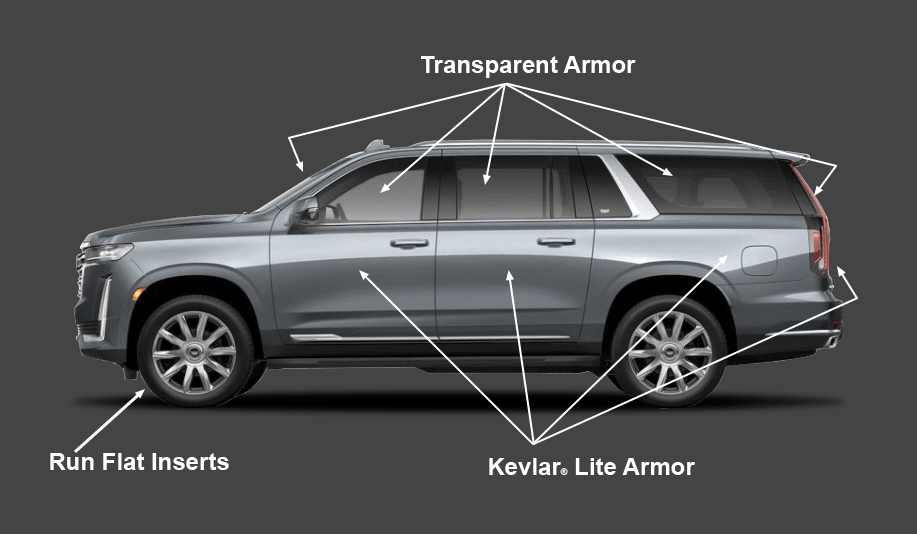
Once selected, the vehicle undergoes a thorough inspection to assess its condition and compatibility with the armoring level. For B6 protection, the focus is on vehicles that can handle the integration of advanced ballistic materials while maintaining a low center of gravity for stability.
The Dismantling Phase
The armoring process kicks off with complete disassembly. The vehicle is stripped down to its bare metal frame, removing all interior components, seats, dashboard, wiring, and even the glass. This step is crucial to allow precise installation of protective materials without any obstructions. According to industry experts, this phase can take several days and requires skilled technicians to catalog and store parts for later reassembly.
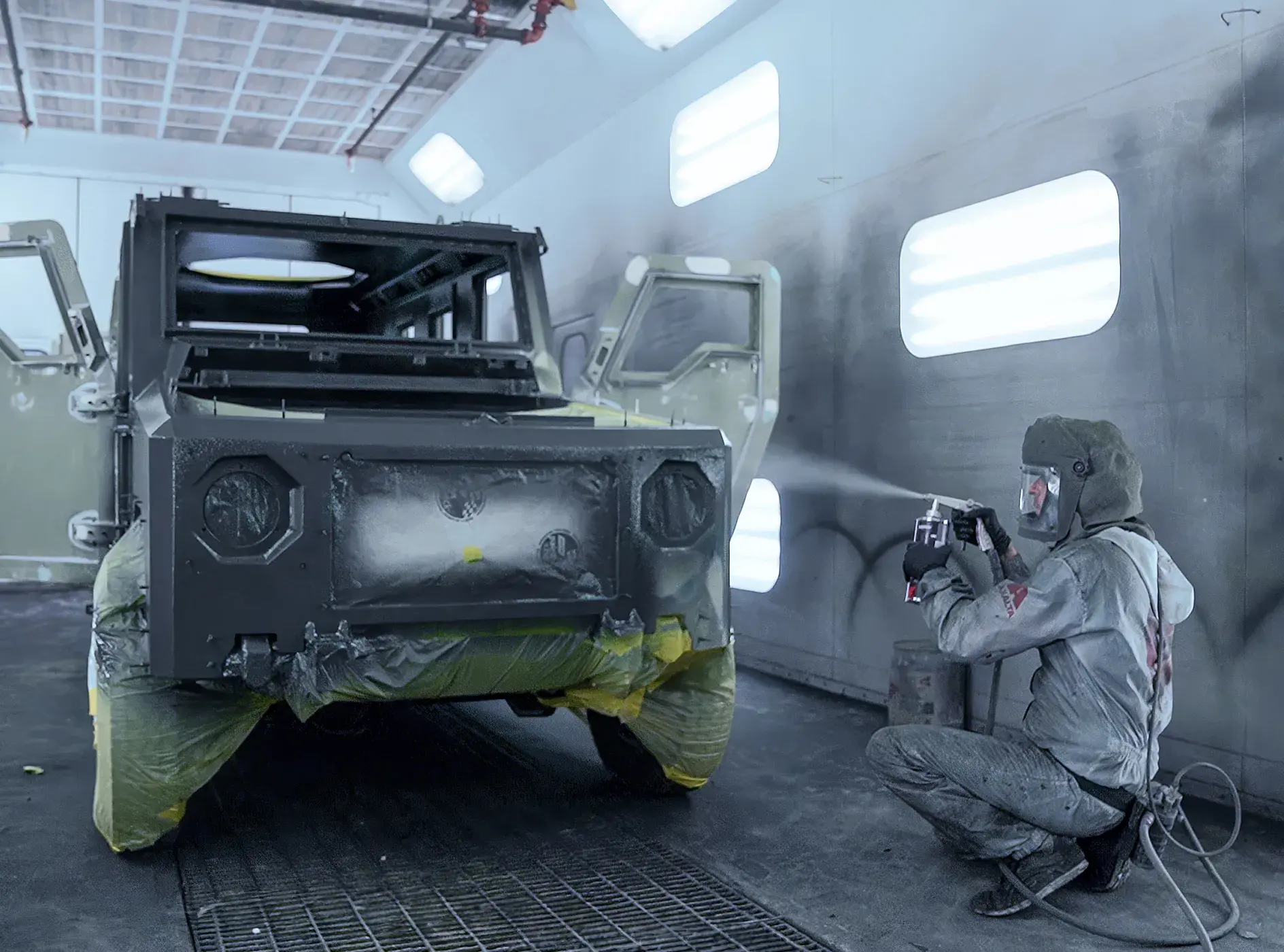
During dismantling, engineers analyze the vehicle's structure to identify weak points and plan reinforcements. This includes evaluating the doors, roof, floor, and engine compartment for optimal armor placement.
Integrating Ballistic Materials
At the heart of B6 armoring is the integration of ballistic materials. Opaque armor, used for the body, consists of hardened steel plates, ceramic composites, and aramid fibers like Kevlar. These are welded or bolted onto the frame, covering the passenger compartment, doors, roof, and floor. The materials are layered to absorb and dissipate projectile energy, providing protection against bullets and shrapnel.
Transparent armor, or ballistic glass, replaces standard windows. This multi-layered glass, often up to 40mm thick, is designed to withstand multiple impacts while maintaining clarity. Installation involves custom-fitting these heavy panels, which can add significant weight—up to 500-1000 kg to the vehicle.
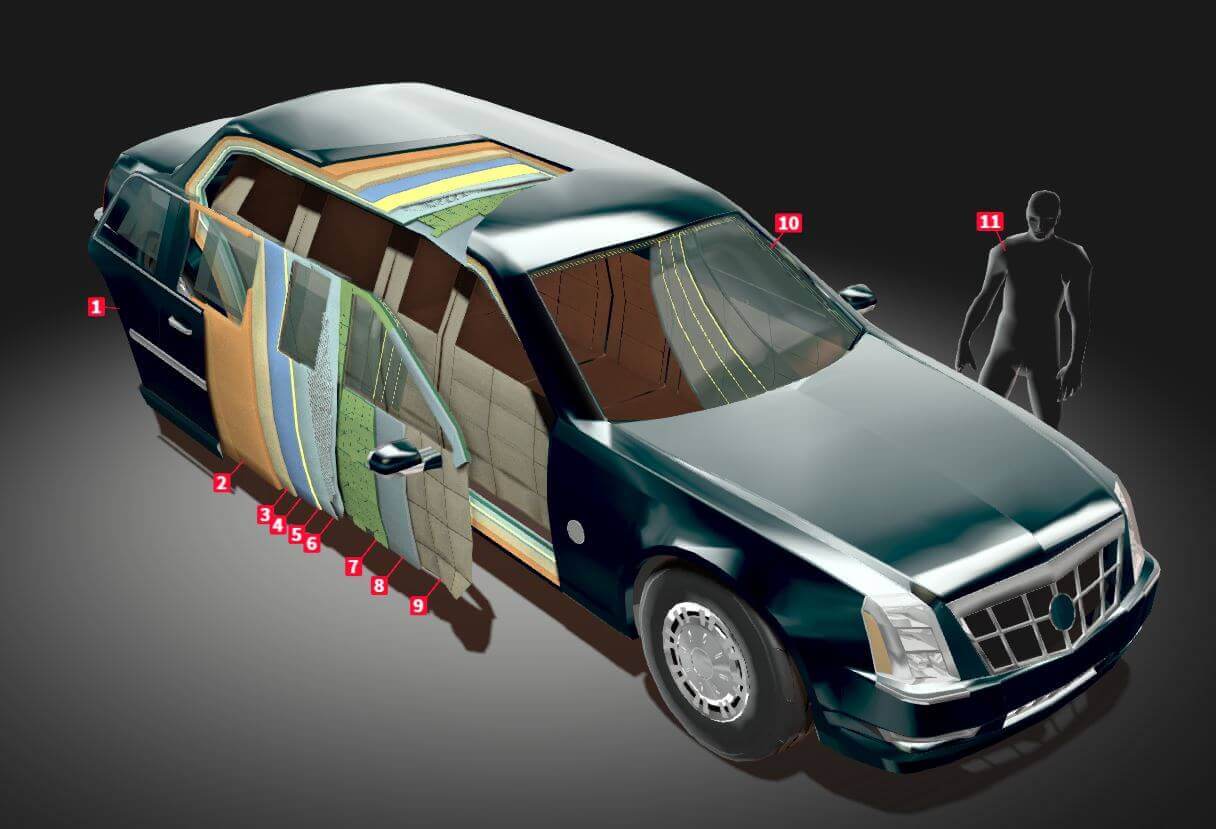
Additional protections include armoring the battery, fuel tank, and electronic control modules to prevent vulnerabilities. For B6 levels, the process ensures 360-degree protection, including underbody blast resistance against grenades.
Enhancing Structural Integrity
With the added weight, the vehicle's suspension, brakes, and tires must be upgraded. Heavy-duty shocks, springs, and reinforced axles are installed to handle the extra load while preserving ride comfort and handling. Braking systems are enhanced with larger rotors and calipers for better stopping power. Run-flat tires, capable of driving even when punctured, are standard to ensure escape capabilities in hostile situations.
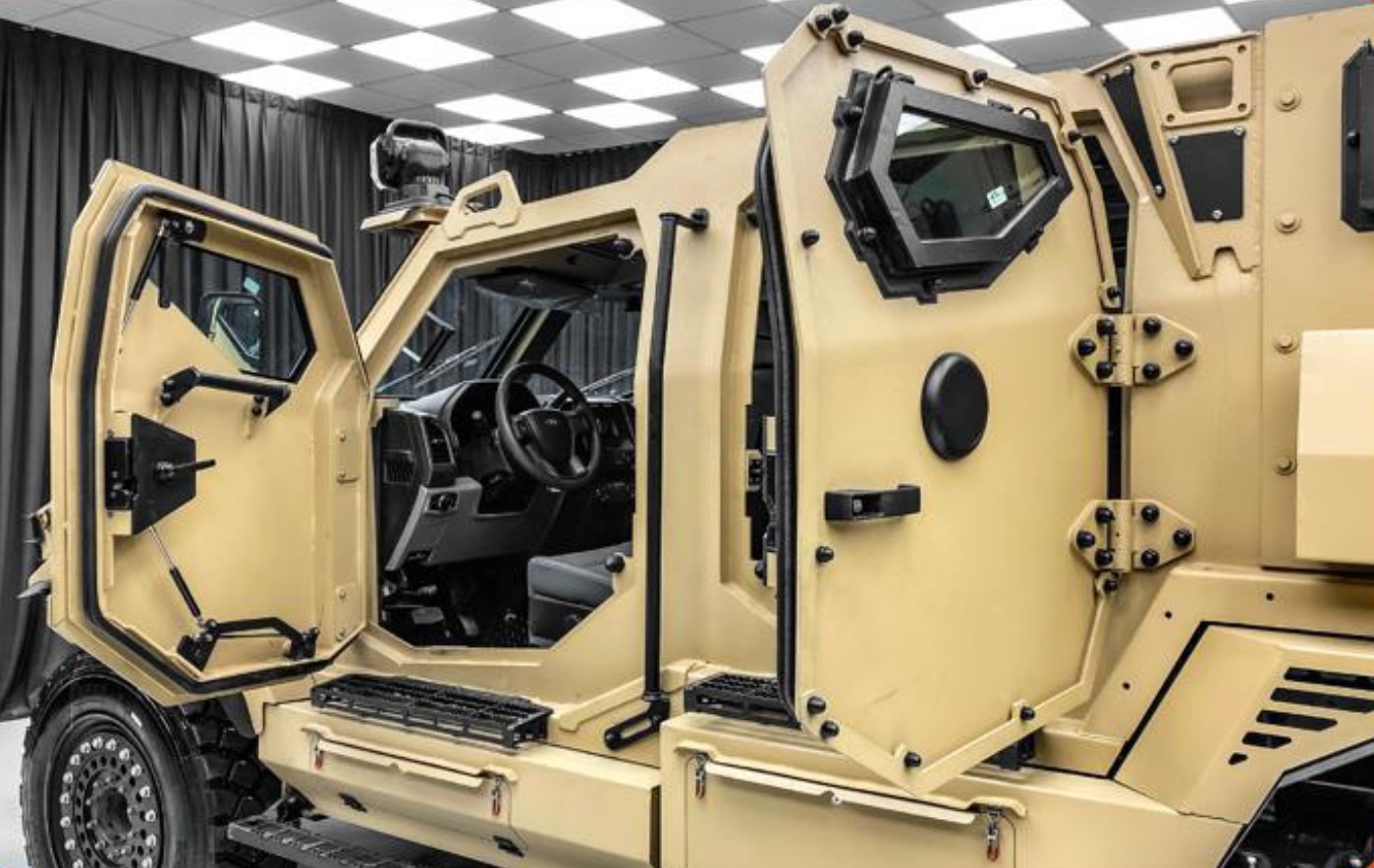
This phase also involves reinforcing hinges and latches on doors to support the heavier armored panels, ensuring they open and close smoothly despite the increased mass.
Reassembly and Customization
After armoring, the vehicle is reassembled with the original or upgraded interior components. The goal is to maintain a luxurious, unassuming appearance—leather seats, advanced infotainment, and climate control are reinstated or enhanced. Custom features like sirens, communication systems, or hidden compartments may be added based on client needs.
Soundproofing materials are incorporated to reduce noise from the armor, and the exterior is painted to match the original finish, making the vehicle indistinguishable from its non-armored counterparts at a glance.

Testing and Quality Assurance
Before delivery, the armored vehicle undergoes rigorous testing. This includes ballistic tests where the vehicle is shot at with specified ammunition to verify protection levels. Road tests assess handling, acceleration, and braking under various conditions. Quality control checks ensure all systems function perfectly, from electronics to mechanical components.
Certifications from standards like CEN 1063 or EN 1522 are obtained to confirm B6 compliance. This phase can extend the timeline, but it's vital for safety and reliability.
The Delivery Process
Once certified, the vehicle is prepared for delivery. Manufacturers handle shipping logistics, often providing secure transport to the client's location. Training sessions may be offered to familiarize owners with the vehicle's features, maintenance, and emergency protocols.
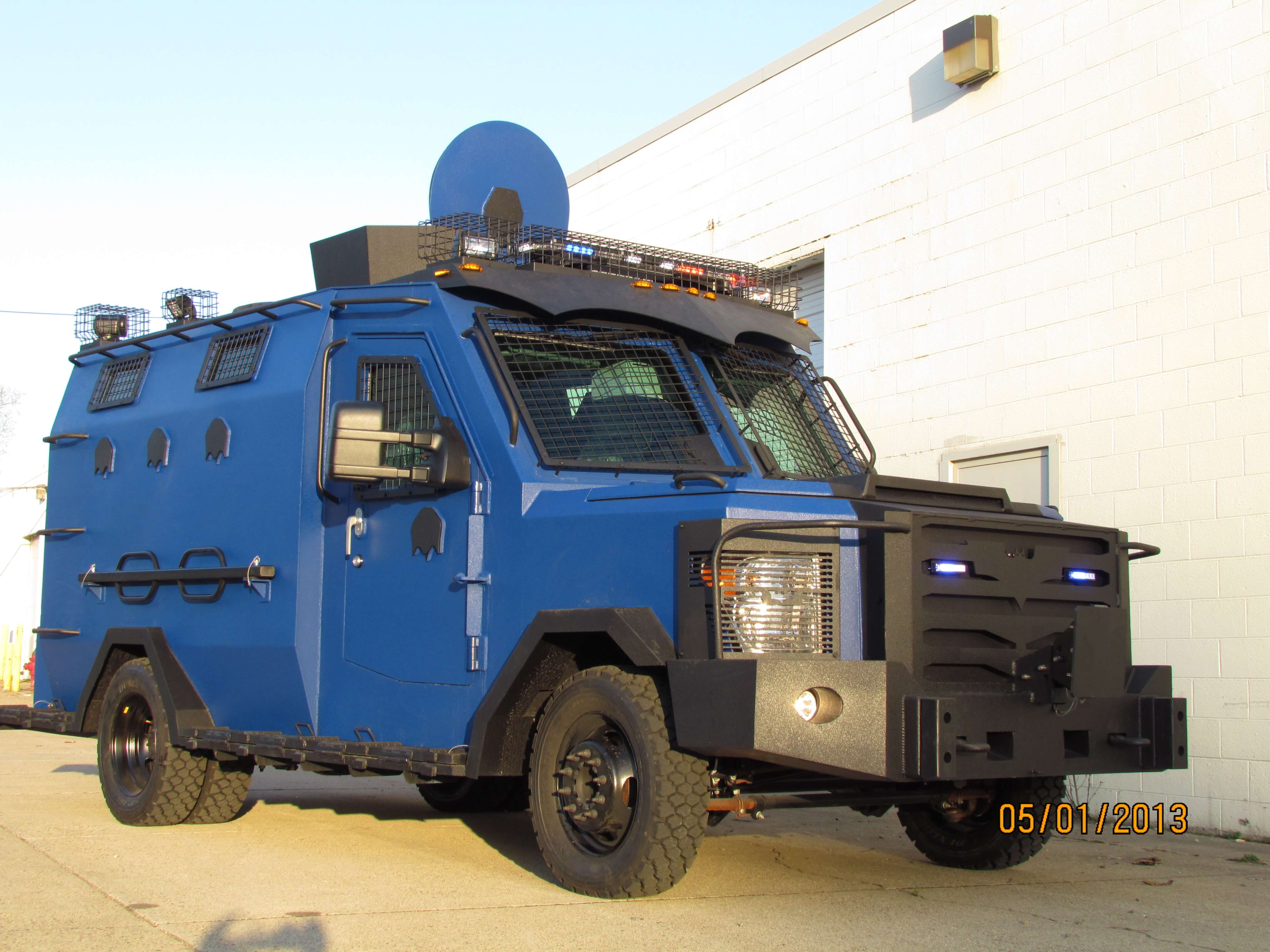
The entire process typically takes 4 to 12 weeks, depending on customization and the base model's complexity. Costs can range from $50,000 to over $200,000 added to the base price, reflecting the high-tech engineering involved.
Conclusion
Transforming a base car into a B6 armored vehicle is a blend of cutting-edge technology, precision craftsmanship, and security expertise. From stripping the vehicle to delivering a mobile fortress, each step ensures maximum protection without sacrificing comfort or performance. In a world of uncertainties, these vehicles provide peace of mind, safeguarding lives in the most demanding scenarios. As threats evolve, so too will armoring techniques, but the core process remains a testament to human ingenuity in the face of danger.
(Word count: approximately 1050)


Comments
Post a Comment