
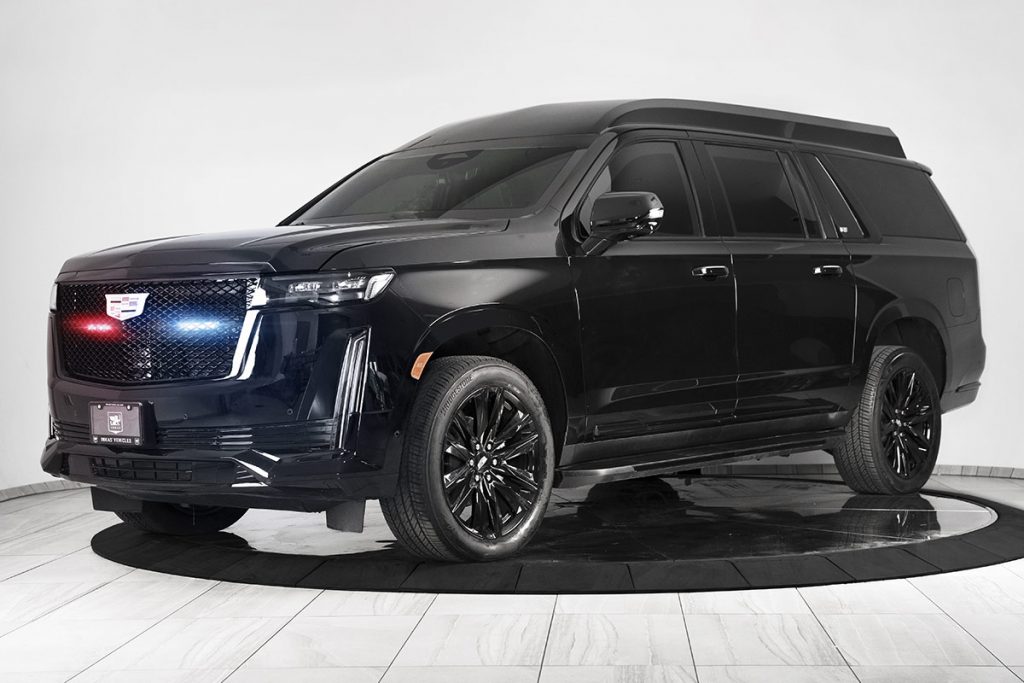
Why CEOs are Switching to Armored SUVs for Corporate Travel
In the high-stakes world of corporate leadership, safety is no longer an afterthought—it’s a boardroom priority. Following the shocking December 2024 assassination of UnitedHealthcare CEO Brian Thompson in Midtown Manhattan, a seismic shift occurred in executive protection strategies. Companies across the S&P 500 rushed to enhance security, with median spending on executive protection jumping to record highs of over $105,000 per leader in 2024, according to Equilar data. More than one-third of major firms now provide dedicated security, up sharply from previous years. Among the most visible—and increasingly common—upgrades: armored SUVs for daily corporate travel.
What was once reserved for diplomats in war zones or celebrities in high-risk cities is now becoming standard for Fortune 500 CEOs commuting to meetings, airport runs, or shareholder events. Lightweight ballistic armor, discreet designs that mimic stock luxury vehicles, and advanced features turning these SUVs into mobile command centers are driving the trend. This article explores the reasons behind the switch, the technology involved, popular models, costs, benefits, and what the future holds for executive mobility in an era of heightened threats.
The Catalyst: A Wake-Up Call in 2024–2026
The murder of Brian Thompson wasn’t an isolated incident but a catalyst. In the weeks and months that followed, security firms reported a 300% spike in requests for ad-hoc executive protection and armored transport. Allied Universal noted a 30% growth in embedded CEO security programs. Intel dramatically increased its security budget from $3,000 to $250,000 in one year. Chipotle and other firms explicitly cited the Thompson killing and “generalized threatening public discourse” in proxy statements when justifying new protection perks.
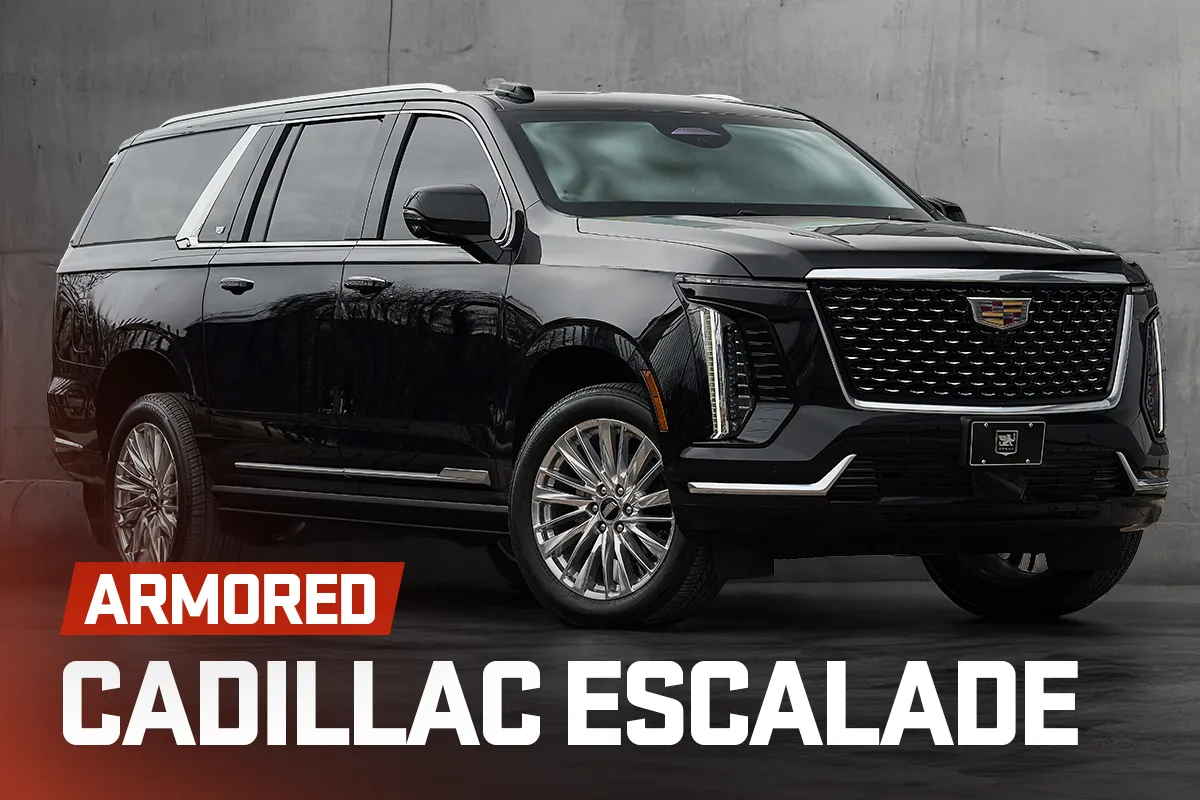
Why SUVs specifically? Corporate travel exposes leaders during predictable routines—commutes, hotel arrivals, or events—where vulnerability peaks. Traditional sedans or limousines draw attention; full-size SUVs like the Cadillac Escalade or Mercedes-Benz G-Class offer space, power, off-road capability, and the ability to blend into traffic while carrying ballistic protection. Global market data shows the luxury bulletproof vehicle sector growing at 6–7% CAGR through 2032, with civilian executive demand leading the surge in North America and Europe.

Rising Threats Driving the Demand
CEOs face multifaceted risks today. Targeted violence tops the list: doxing of executives on social media, protests outside headquarters, and copycat threats following high-profile attacks. Healthcare, pharmaceutical, tech, and finance leaders are particularly exposed due to public backlash over pricing, layoffs, or data breaches.
Internationally, kidnapping remains a concern in Latin America, parts of Africa, and emerging markets where corporate travel is common. Even in the U.S. and Europe, road rage, carjackings, and terrorism threats persist. A 2025 Goldman Sachs survey found 27% of companies now provide personal security to CEOs—a 59% increase in two years. Armored vehicles address the “vehicular phase” of travel, historically the weakest link in protection chains.
Family considerations amplify the trend. Many executives armor not just corporate fleet vehicles but personal SUVs for school runs or weekend trips, extending protection beyond work hours. As one armoring firm executive noted, “These vehicles still do everything you need—school runs, grocery stops—while adding life-saving defense.”
Technology Behind Modern Armored SUVs: Protection Without Compromise
Modern armoring uses lightweight composite materials, advanced ceramics, and ballistic steel that add protection without turning the vehicle into a sluggish tank. Popular certification levels include:
- B4/VR4: Stops handguns up to .44 Magnum – suitable for low-risk urban travel.
- B6/VR6: Withstands AK-47 and 5.56 NATO rifles – the sweet spot for most executives.
- B7 or higher (A9–A12): Handles armor-piercing rounds or even .50 BMG – for extreme threats.
Glass is multi-layered polycarbonate and glass laminates up to 2 inches thick, yet optically clear. Run-flat tires, self-sealing fuel tanks, and blast-resistant floors (protecting against two simultaneous hand-grenade detonations) complete the package. Crucially, the exterior remains indistinguishable from a standard luxury SUV—discretion is key to avoiding escalation.
![Armor Levels for Armored Vehicles: NIJ, CEN & VPAM Explained [2026 Guide] | Alpine Armoring® USA](https://assets.alpineco.com/large_ballistic_chart_1_95cf3dd7c0.jpg)
Weight increases (typically 1,000–2,000 lbs) are mitigated by upgraded suspension, brakes, and powerful engines. A 2026 Cadillac Escalade ESV with 682 horsepower retains sports-car acceleration despite armor.
Popular Models Leading the Corporate Switch
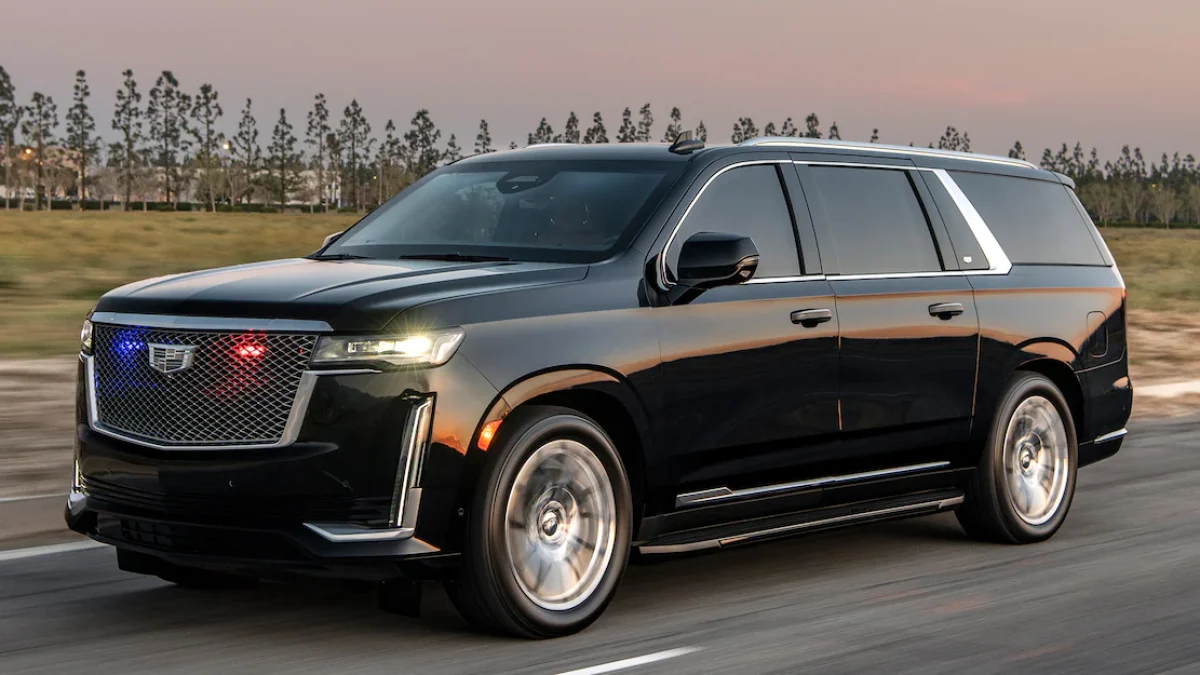
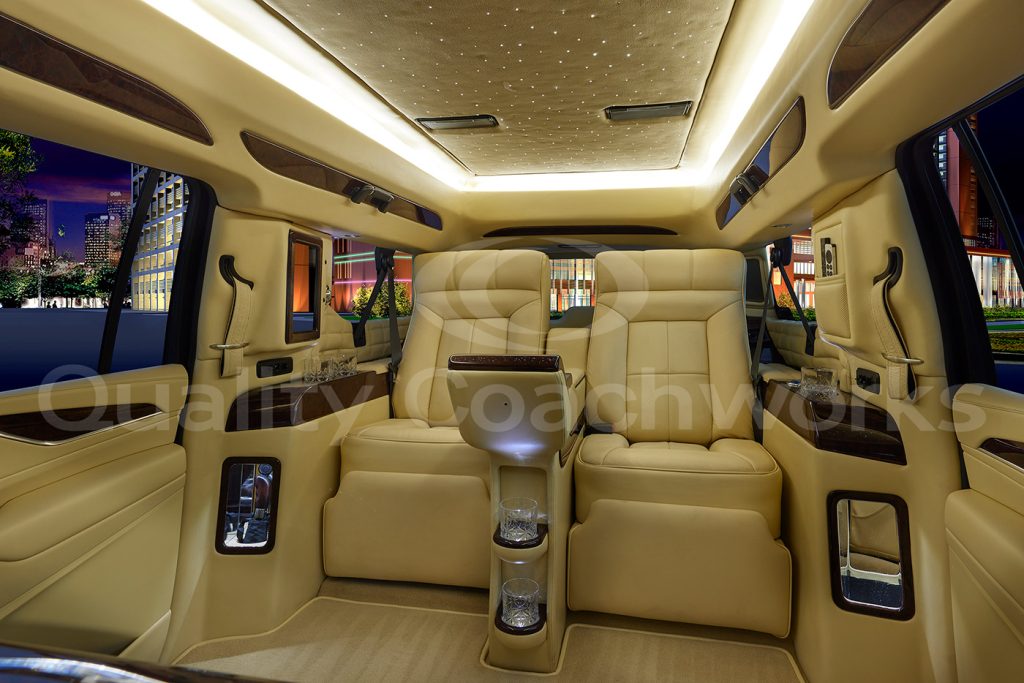
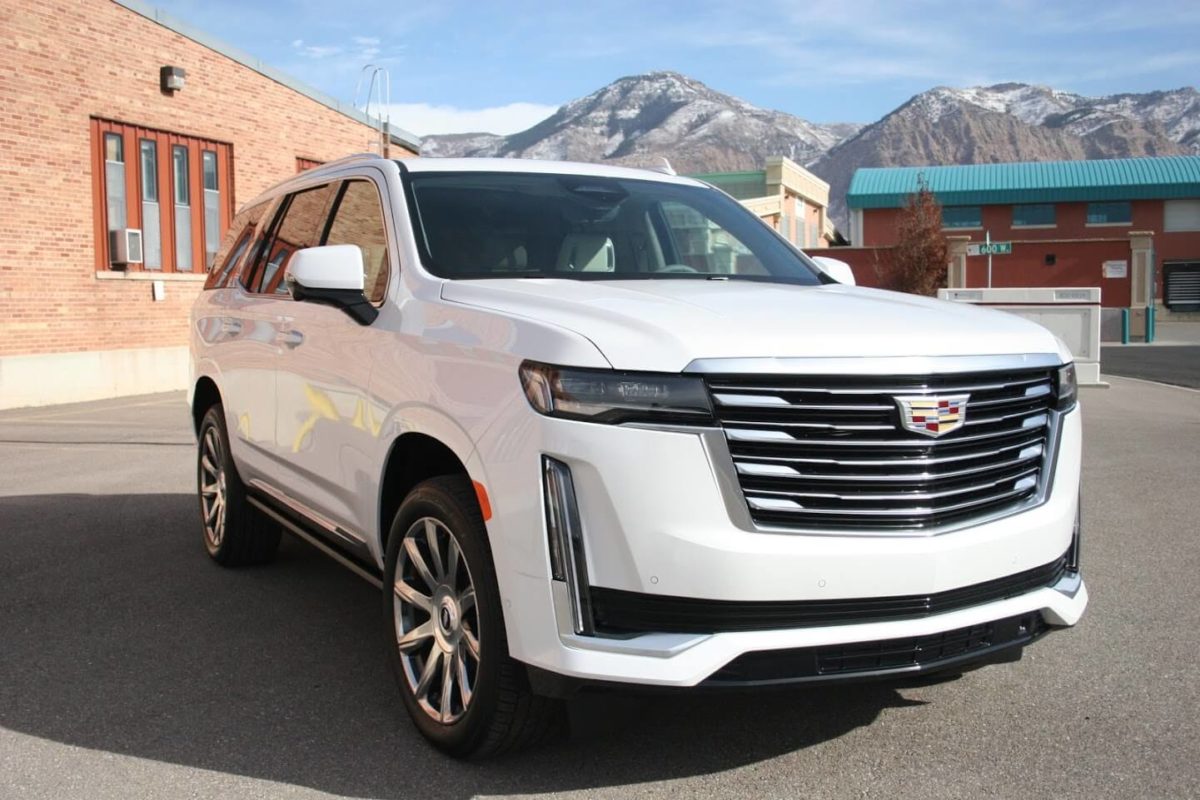
Cadillac Escalade ESV The top choice for U.S. executives. Its body-on-frame construction and massive interior make armoring straightforward. INKAS, Alpine Armoring, and Quality Coachworks offer “Chairman Package” or stretch versions with full B6 protection, Starlink connectivity, and rear entertainment. Prices start around $250,000–$400,000 fully armored. The 6.2L V8 or supercharged variants ensure effortless highway merging during escorted travel.
Mercedes-Benz G-Class (G-Wagon) Iconic among international CEOs and those needing off-road capability. INKAS’ armored G63 AMG maintains the signature boxy look while achieving VR7 standards. Ideal for executives traveling to remote sites or in regions with poor infrastructure. The combination of luxury leather, advanced MBUX infotainment, and military-grade protection makes it a status symbol that doubles as a fortress.
Other Favorites
- Range Rover Autobiography (discreet British elegance)
- Lexus LX 600 or GMC Yukon Denali (more affordable entry points)
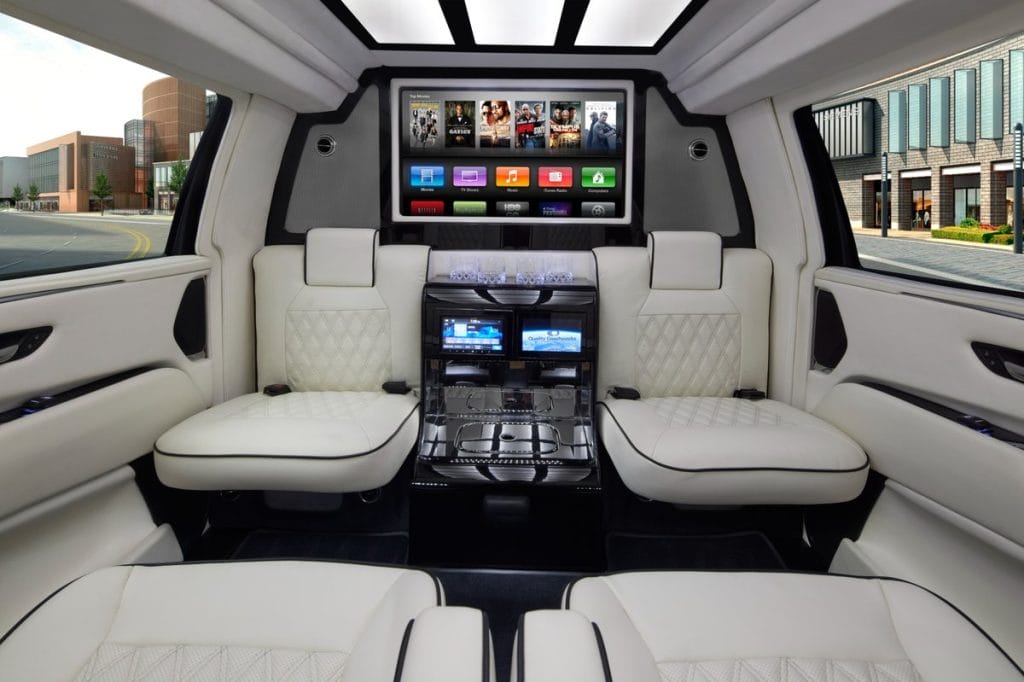
- Custom stretches for mobile offices with conference tables, 4K screens, and satellite links.
Many conversions include siren/PA systems, LED strobes (hidden), and armored driver partitions for added security.
Benefits for Corporate Travel: Safety, Productivity, and Peace of Mind
Beyond bullets, these vehicles transform travel. Interiors become “mobile offices on wheels” with Wi-Fi, multiple monitors, power outlets, and soundproofing—allowing CEOs to conduct video calls or review documents en route without downtime. One California executive described his armored Escalade as “a productivity necessity” for West Coast commutes.
Convoy integration is seamless: professional drivers trained in evasive maneuvers, route planning software, and real-time threat monitoring via apps. In high-risk cities, the vehicle’s run-flat tires and reinforced bumpers enable escape from ambushes or blocked roads.
Psychological benefits are huge. Leaders report reduced stress, knowing their family and team are protected. Insurance companies often offer discounts or require armored transport for high-net-worth policies in volatile areas.
Costs, Considerations, and Implementation
Armoring adds $135,000–$330,000 to a base SUV, plus higher fuel, tire, and maintenance costs ($5,000–$20,000 annually). Full ownership including security detail can exceed $500,000 yearly for some CEOs—still a fraction of company revenue for top firms.
Companies weigh “duty of care” obligations: failing to protect executives in foreseeable risks can lead to lawsuits. Boards approve these expenses via proxy disclosures, framing them as essential risk management.
Challenges include vehicle weight affecting handling (mitigated by engineering) and regulatory approvals for ballistic glass in some states. Resale value remains strong among security-conscious buyers.
Future Trends: Smarter, Greener, and More Integrated Protection
By 2026–2030, expect hybrid/electric armored options (Tesla Model S/X conversions already tested to A9 levels). AI-driven threat detection—cameras scanning for drones or suspicious vehicles—will integrate with vehicle systems. 5G and satellite connectivity will enable remote command centers to override driving in emergencies.
Lightweight nanomaterials will reduce weight penalties further, making even sports cars viable for protection. As geopolitical tensions and domestic polarization persist, the armored SUV is evolving from rare luxury to corporate standard.
Conclusion: Prudent Protection in Uncertain Times
The switch to armored SUVs isn’t paranoia—it’s prudent leadership in 2026. After the Thompson assassination and ongoing threats, boards recognize that executive safety directly impacts business continuity, talent retention, and shareholder confidence. These vehicles blend seamless luxury with life-saving technology, allowing CEOs to focus on strategy rather than survival.
For corporations evaluating upgrades, the message is clear: invest now in discreet, versatile protection. In an era where threats can materialize anywhere—from boardrooms to highways—armored corporate travel isn’t optional; it’s the new baseline for safeguarding those who lead our economy.



Comments
Post a Comment